A group of mothers and wellness advocates connected to the “Make America Healthy Again” (MAHA) movement, including Casey Means—who has been nominated for U.S. Surgeon General—met with senior White House officials last week to discuss health concerns they say are important heading into the midterm elections. Participants described the meeting as informal and wide-ranging, with Health and Human Services Secretary Robert F. Kennedy Jr., White House Chief of Staff Susie Wiles, and President Donald Trump reportedly in attendance. According to attendee Alex Clark, the session lasted about two hours and gave participants a chance to directly voice concerns.
A central topic was the safety of glyphosate, a widely used herbicide commonly found in products such as Roundup. MAHA advocates argue that the chemical may pose health risks and are calling for stricter regulation or reduced use in agriculture. The discussion reflects broader concerns within the movement about pesticides and food-related environmental health issues.
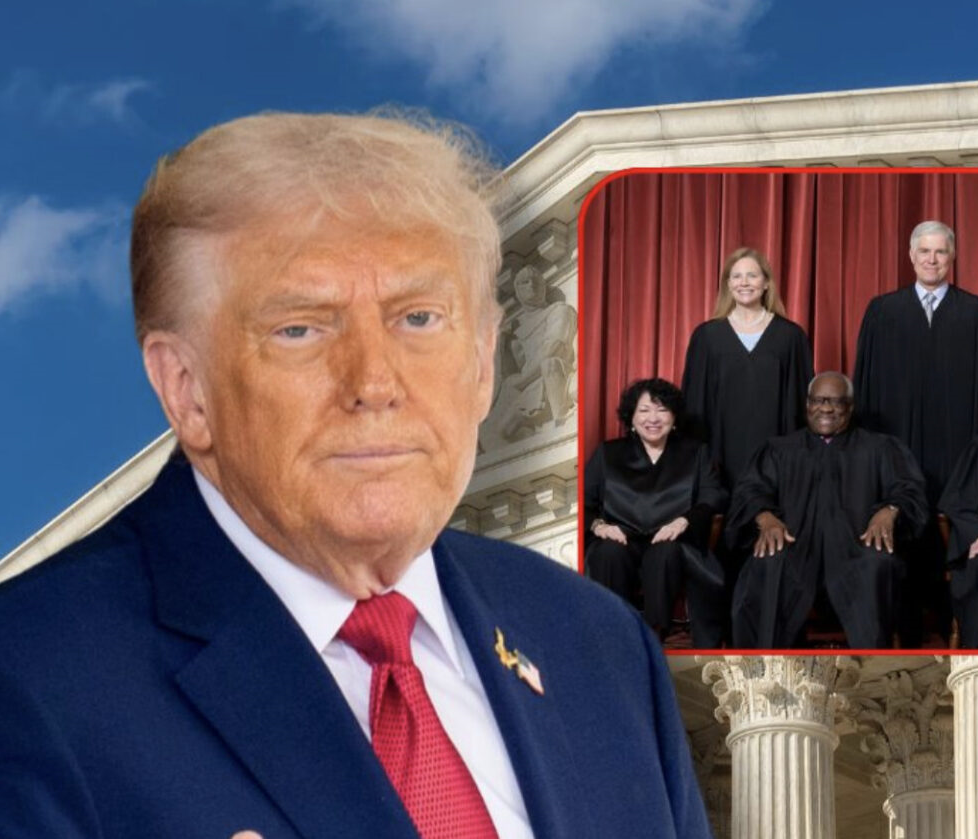
The debate over glyphosate is also playing out at the national legal level. The U.S. Supreme Court is set to hear arguments in a major case involving Bayer, the company that now owns Monsanto and produces Roundup. The case could determine whether consumers can continue bringing lawsuits claiming the herbicide caused cancer. The Court’s decision is expected later in the year and is being closely watched by both environmental advocates and the agricultural industry.
The litigation stems in part from high-profile cases like that of DeWayne “Lee” Johnson, a former school groundskeeper who developed terminal non-Hodgkin lymphoma after years of exposure to Roundup. A jury previously awarded Johnson significant damages, though the amount was later reduced on appeal. His case became one of the earliest major legal challenges against Monsanto.
Bayer maintains that glyphosate is safe and that regulatory agencies, including the Environmental Protection Agency, have repeatedly found it unlikely to cause cancer. The company argues that labeling requirements and federal oversight should take precedence over state-level lawsuits. It has also reached multi-billion-dollar settlement agreements in related litigation while continuing to deny wrongdoing.
The MAHA movement has pushed for stronger federal restrictions on pesticides, though the Trump administration has taken a mixed stance—supporting increased domestic production of glyphosate while deferring to regulatory agencies on safety determinations. This has created tensions between MAHA supporters and traditional political allies.
The White House meeting highlights growing political attention to environmental health issues, as activists, lawmakers, and industry leaders prepare for both a Supreme Court ruling and the upcoming election cycle.