Russia is reportedly tightening its borders and expanding digital mobilization measures as the Kremlin confronts growing military manpower challenges ahead of the 2026 and 2027 fighting seasons. According to The Geo Network’s OSINT analysis, Vladimir Putin’s government is facing a projected shortfall of 600,000 troops, intensifying concerns about recruitment and the potential for additional mobilization.
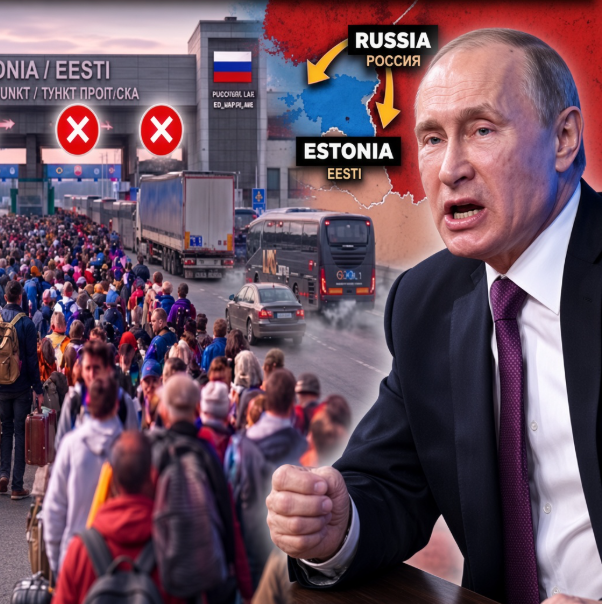
The report describes increased security measures along Russia’s border with Estonia, including alleged FSB security cordons and nighttime curfews. These restrictions are portrayed as part of a broader effort to control movement and prevent citizens from leaving the country as mobilization pressures increase.
Meanwhile, Georgia’s Verkhny Lars crossing and flights to Armenia are identified as potential escape routes for Russians seeking to avoid military service. The analysis characterizes these movements as part of a renewed exodus, although the reported scale of departures and the specific reasons behind them require independent confirmation.
A central focus is Russia’s electronic military registration and draft system. Under the reported framework, electronic summonses can trigger restrictions on a citizen’s ability to leave the country. Such measures could significantly complicate attempts to travel abroad after receiving a draft notice, raising concerns about personal freedom and the expansion of state surveillance.
The Geo Network’s 12-person intelligence team examines how digital registration, border enforcement, and recruitment pressures could combine to reshape daily life in Russia. The analysis argues that these developments may reflect the Kremlin’s effort to sustain its war effort while limiting resistance to mobilization.
However, claims of a 600,000-troop deficit, widespread border lockdowns, and a mass exodus should be treated as reported assertions rather than independently established facts. The situation highlights growing questions about Russia’s military manpower needs, citizens’ freedom of movement, and the expanding role of digital systems in wartime governance.