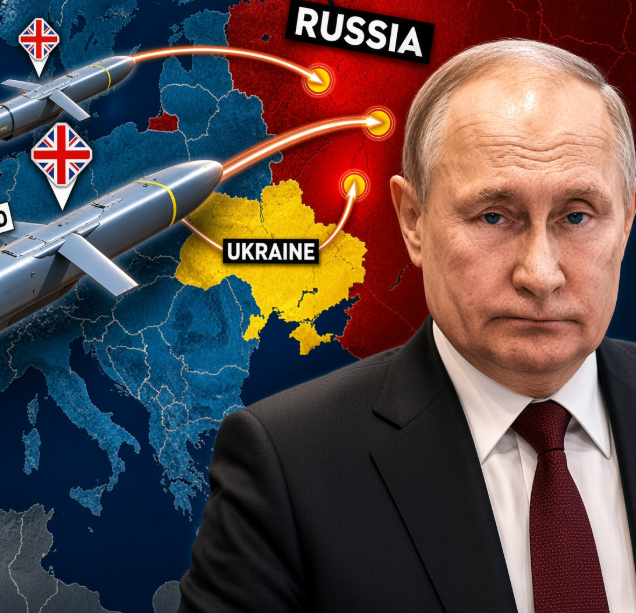
Russia is increasingly focusing on British defense companies and technologies supporting Ukraine’s long-range strike campaign, as British-made drones reportedly reach targets deep inside Russian territory. The growing role of UK-developed weapons and battlefield technology has added another dimension to the conflict, drawing Moscow’s attention toward the industrial and technological networks helping Ukraine sustain its military operations.
In 2026, Britain is preparing to supply Ukraine with more than 150,000 drones, highlighting the expanding scale of its military assistance. These systems are becoming an important part of Ukraine’s strategy to strike military infrastructure, disrupt logistics, and threaten targets far beyond the front lines. Their increasing reach is also raising concerns within Russia about the vulnerability of strategic facilities previously considered relatively secure.
Moscow has responded by expanding air defense capabilities and strengthening protection around key military and infrastructure sites. Russian officials have accused London of escalating the conflict through its support for Ukraine, particularly as British-origin technology becomes more closely associated with deep-strike operations. However, the precise effectiveness of Russia’s expanded defenses remains dependent on the types of threats encountered and the ability to detect and intercept incoming drones.
Meanwhile, Britain and Ukraine are deepening cooperation in artificial intelligence, battlefield data analysis, and next-generation drone development. These partnerships could improve targeting, operational coordination, and the effectiveness of unmanned systems in increasingly complex combat environments.
This analysis explores how British defense companies are becoming more significant to Ukraine’s long-range warfare, why Russia is adjusting its defensive posture, and how technological cooperation between London and Kyiv could influence the future battlefield. The expanding partnership demonstrates the growing importance of drones, AI, and industrial capacity in modern warfare.