Ukraine’s war against Russia is expanding far beyond the front lines, even as Russian territorial advances remain limited. In this weekly report, the Institute for the Study of War (ISW) describes a period with little confirmed progress on the battlefield. Russia reportedly captured only two villages northwest of Pokrovsk, and at its current pace, capturing all of Donetsk Oblast could take until 2032.
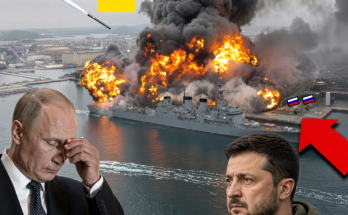
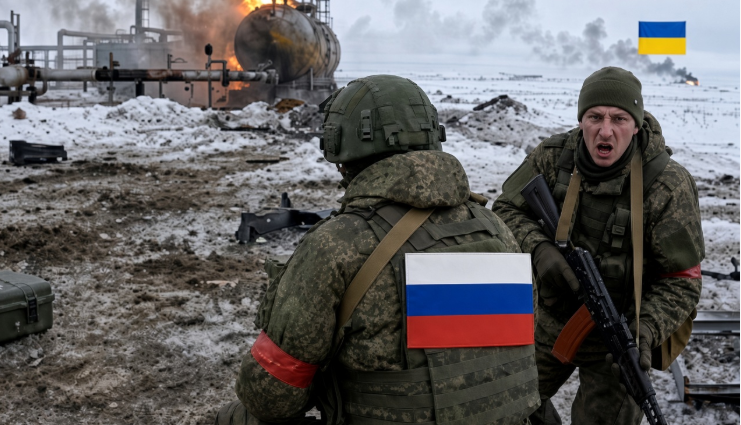
Meanwhile, Ukraine demonstrated its ability to strike deep inside Russian territory. Ukrainian drones reportedly traveled more than 3,000 kilometers to attack gas condensate facilities near Novy Urengoy and Purovsky in Siberia’s Arctic region, targeting infrastructure previously considered relatively secure. These strikes highlight Ukraine’s expanding long-range capabilities and its campaign against Russia’s energy sector.
The report also examines Russia’s renewed aerial assault on Ukraine following the expiration of a temporary moratorium, involving 166 drones and 32 missiles. Additional developments include the deadly attack on a shopping center in Sumy, new UK and EU funding for Patriot air defense missiles, and the economic consequences of Ukrainian strikes on Russian refineries.
Another major escalation occurred when 19 Russian drones reportedly entered Polish airspace, prompting NATO forces to open fire for the first time since 2022. The incident raised concerns about the war’s potential spillover into NATO territory.
Beyond these developments, the report reviews casualty estimates, fighting around Pokrovsk, Kupiansk, Lyman, and Siversk, and the spread of AI-generated fake battlefield videos.
Ultimately, the analysis explores three key developments that could shape the coming winter: the intensity of Russia’s attacks, Ukraine’s ability to sustain its long-range campaign, and Western support for Ukrainian air defenses. The central contradiction remains clear: while the front barely moves, the war’s geographic and economic reach continues to expand.