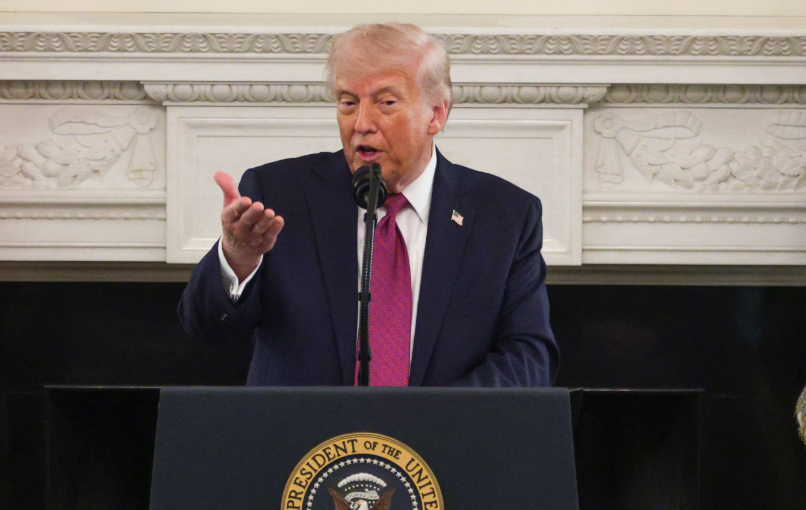
The Trump administration announced a new agreement with Regeneron Pharmaceuticals designed to reduce prescription drug costs, framing it as a significant step in its broader “most favored nation” pricing strategy. The policy aims to bring U.S. drug prices closer to those paid in other developed countries, where medications are often substantially cheaper.
Under the agreement, Regeneron will lower prices on certain medications sold through Medicaid and provide additional discounts on selected treatments. One of the most notable provisions is a reduced price for the cholesterol drug Praluent, which will be available for about $225 through a government-linked distribution platform. Administration officials described the deal as part of a coordinated effort to pressure major pharmaceutical companies into voluntary price reductions.
Regeneron is the final major pharmaceutical manufacturer among 17 targeted companies to join the initiative, according to White House officials. The administration has used a combination of negotiation, policy pressure, and the threat of regulatory or economic measures—such as tariffs and incentives for domestic manufacturing—to secure participation. Officials estimate that agreements now cover roughly 86% of the branded pharmaceutical market, suggesting broad industry compliance with the pricing framework, at least among large firms.
The discounts primarily affect Medicaid, a government program that already receives federally mandated drug price reductions. As a result, analysts note that the immediate impact on overall consumer drug costs may be limited. However, supporters argue that the agreements represent an important foundation for expanding pricing reforms to other insurance markets and drug programs in the future.
The administration has emphasized that the initiative is intended not only to reduce costs but also to strengthen domestic pharmaceutical production and supply chain resilience. Officials describe it as a long-term structural shift rather than a one-time price adjustment.
On the same day as the pricing announcement, Regeneron also revealed FDA approval for a gene therapy targeting otoferlin-related inherited hearing loss, a rare condition affecting children. The therapy represents a significant scientific advancement, as gene therapies of this type are among the first to potentially restore hearing function in patients with this disorder. Regeneron said it intends to provide the treatment at no cost to eligible patients, a notable departure from the extremely high pricing typically associated with gene therapies, which can reach hundreds of thousands or even millions of dollars.
Together, the announcements highlight the dual pressures shaping modern healthcare policy: the need to incentivize pharmaceutical innovation while addressing public concerns over affordability. As the administration continues negotiating with smaller biotech firms, the long-term success of the “most favored nation” strategy will depend on whether early agreements translate into broader market-wide price reductions.
With healthcare costs remaining a top voter concern ahead of upcoming elections, drug pricing is expected to stay at the center of political debate in Washington.