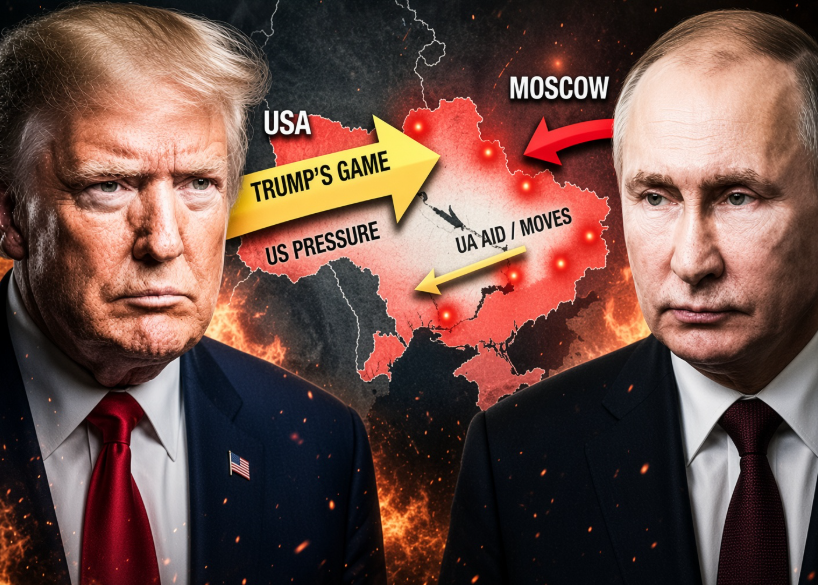
The diplomatic effort surrounding the war in Ukraine intensified during the 2026 United Nations General Assembly, with the Trump administration pursuing several parallel channels involving Moscow, Kyiv, and Beijing. U.S. Secretary of State Marco Rubio met Russian Foreign Minister Sergey Lavrov in New York, where both sides discussed a possible limited ceasefire covering energy and grain-related targets. Rubio said both Russia and Ukraine had expressed interest in such an arrangement.
President Volodymyr Zelenskyy told Trump that Ukraine was prepared to accept an energy ceasefire and also supported reopening the Black Sea grain corridor. Washington additionally proposed technical-level U.S.-Russia-Ukraine discussions, potentially in Abu Dhabi, as a pathway toward broader negotiations.
China has also emerged as part of Kyiv’s diplomatic strategy. Zelenskyy said he encouraged Trump to use Beijing’s influence with Moscow to help end the war, highlighting China’s relationship with Russia as a potential channel for diplomatic pressure.
Meanwhile, Russia sought to maintain its own diplomatic position through Lavrov’s meetings and UN appearances. The available public record does not establish that Moscow achieved a decisive diplomatic breakthrough during the UN meetings; negotiations remained focused on limited ceasefire proposals and possible future talks.
Zelenskyy’s discussions with Trump also included Ukraine’s defense needs and broader negotiations. Reports indicate Washington approved licensing for Ukraine to produce Patriot missiles, while Kyiv continued pressing for additional support and sanctions against Russia.
The diplomatic picture therefore remains unsettled, with energy security, Black Sea trade, sanctions, Chinese influence, and potential trilateral negotiations all forming interconnected parts of the ongoing effort to shape the next phase of the war.