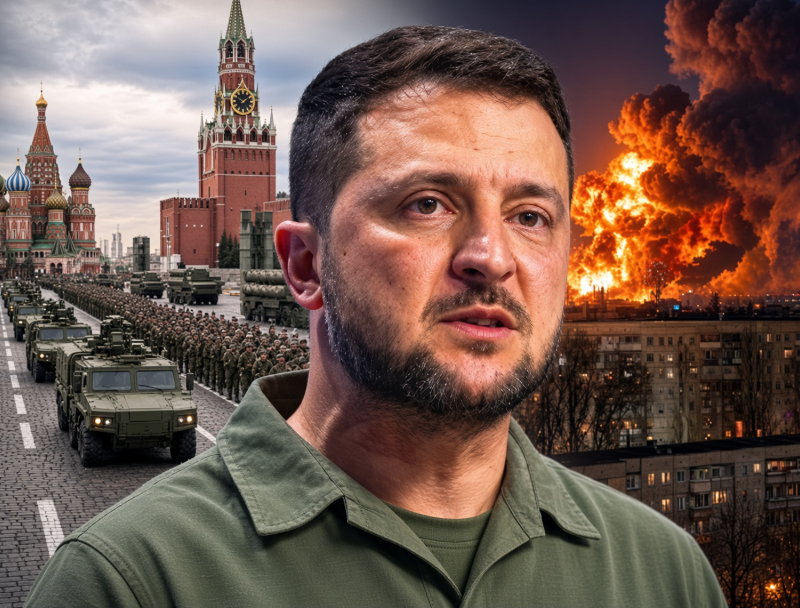
The report describes an intensifying Ukrainian long-range strike campaign targeting Russia’s military-industrial, energy, and logistics infrastructure following a breakdown in diplomatic efforts over a limited energy ceasefire proposal. It portrays the campaign as extending thousands of kilometers into Russia and focusing increasingly on the industrial systems that support Moscow’s war effort.
Among the reported targets are production facilities in Ulyanovsk associated with microcircuits and electronics used in weapons manufacturing, as well as facilities in Voronezh and Tula linked to solid rocket fuel and synthetic materials. The analysis argues that attacking components and production infrastructure could disrupt Russia’s ability to manufacture missiles rather than simply intercepting weapons after launch. The specific effects on individual weapons programs, however, require independent verification.
The report also highlights alleged disruptions at the Perm Lukoil refinery and energy infrastructure around Belgorod, alongside strikes affecting Russian military aviation facilities, including Engels-2, Yeysk, and Millerovo. These attacks are presented as part of a broader effort to pressure Russia’s refining capacity and complicate fuel supplies ahead of winter.
Another focus is Russia’s logistics network, including attacks on commercial and e-commerce distribution centers that the report says have military relevance. It argues that damage to transportation and supply infrastructure could amplify the effects of attacks on industrial facilities.
Finally, the analysis links the military campaign to broader economic pressure, including claims of substantial capital outflows and growing concerns about Russia’s budget and sovereign finances. The reported $250 billion capital-flight figure should be treated as an estimate requiring source verification.
Overall, the report portrays Ukraine’s strategy as increasingly focused on degrading Russia’s production, fuel, aviation, and logistics networks deep behind the frontline.