Ukraine’s Reported Crimea Energy Campaign Raises Questions About Russian Military Readiness
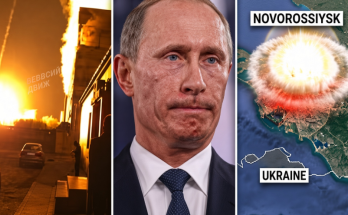
Ukraine’s alleged campaign against energy and transport infrastructure in occupied Crimea is presented as an effort to weaken Russia’s military logistics while increasing pressure on the region’s civilian power supply. The account begins with a reported large-scale drone attack on July 6, 2026, involving more than 450 drones and damage to a high-voltage substation at Suropiyl. Claims that 2.5 million people lost electricity require independent confirmation.
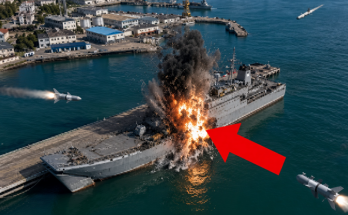
According to the narrative, subsequent operations targeted hundreds of energy facilities across Russian-occupied territories. Additional strikes allegedly disrupted maritime traffic in the Sea of Azov and damaged transport routes used to move fuel toward Russian forces in southern Ukraine. If sustained, such disruptions could complicate resupply, increase transportation costs, and force Russian logistics networks to rely on less efficient alternatives.
The reported consequences for Crimea’s residents are severe. Some neighborhoods in Feodosia allegedly experienced prolonged power outages, while interruptions affected banking services, ATMs, supermarket refrigeration, and fuel availability. The account also describes electricity schedules becoming unpredictable and fuel rationing restricting access to petrol. The precise duration, geographic scope, and scale of these shortages require independent verification.
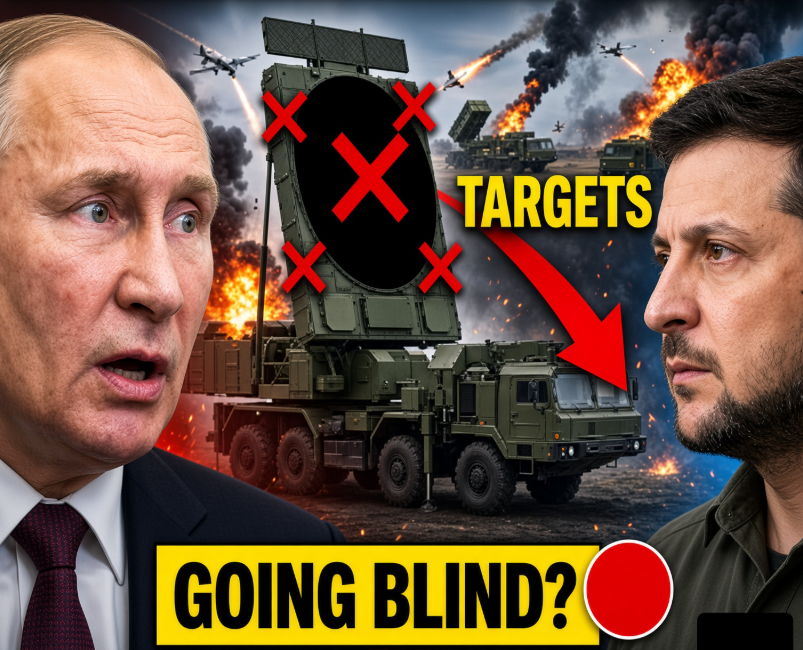
The military implications may extend beyond immediate infrastructure damage. Modern air-defense systems, including Russia’s S-400, require reliable electrical power to operate their radars, command systems, and supporting equipment. Backup generators can help maintain operations during grid failures, but they depend on available fuel, maintenance, and functioning supply routes.
The report argues that simultaneous pressure on Crimea’s electricity network and fuel transportation could therefore create a compounded logistical challenge for Russian forces. However, the claim that Crimea has exhausted its diesel supplies, or that S-400 batteries can no longer operate, should not be treated as established without corroborating evidence.
Overall, the alleged campaign illustrates how attacks on energy infrastructure can affect both civilian life and military readiness. Its strategic impact depends on the verified extent of the damage, the availability of alternative supplies, and Russia’s ability to restore power and sustain critical defense systems.