Ukraine’s Crimea Campaign Targets Russian Military Logistics and Infrastructure
Ukraine’s reported strikes against Russian military assets in occupied Crimea and southern Russia highlight a strategy focused on weakening logistics, surveillance, and infrastructure rather than relying solely on a direct ground assault. The Geo Network’s SITREP examines how sustained attacks could increase the cost of maintaining Russia’s military presence on the peninsula. However, claims of comprehensive infrastructure collapse require independent verification.
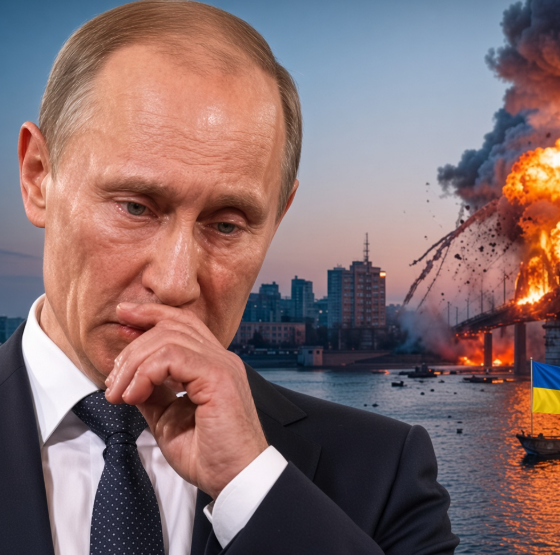
According to the report, Ukraine’s elite “Ghosts” intelligence unit targeted elements of Russia’s early-warning and command network, including radar installations, naval assets, and a bridge associated with the North Crimean Canal area. If confirmed, damage to these facilities could complicate Russian surveillance, communications, and movement across parts of Crimea. The operational impact would depend on the extent of the damage and Russia’s ability to repair or replace affected systems.
The analysis also describes simultaneous deep strikes against facilities in Rostov, including the Azov Optic-Mechanical Plant, which is reported to have military-industrial significance. Verified damage to specialized production equipment could disrupt manufacturing schedules, although the scale and duration of any interruption remain uncertain.
Crimea’s infrastructure vulnerabilities form another major theme. The report cites prolonged electricity outages, water shortages, and sharply elevated black-market fuel prices as possible consequences of repeated attacks and supply disruptions. Specific claims of 20-hour blackouts and fuel prices reaching 700 rubles require corroboration before being treated as representative of conditions across the peninsula.
Russia’s relocation of Black Sea Fleet assets toward Novorossiysk is also presented as evidence of mounting pressure. Dispersing ships farther from Ukrainian-controlled areas may reduce exposure to some attacks, but it can increase logistical demands and alter operational patterns.
The broader strategy described is one of attrition: repeatedly targeting military infrastructure, supply routes, and repair capacity to make continued occupation more costly. Rather than proving an immediate collapse, these developments point to a contest between Ukraine’s ability to sustain precision strikes and Russia’s capacity to defend, adapt, and restore damaged systems. The campaign’s long-term effect will depend on verified losses and the resilience of both sides’ logistics.