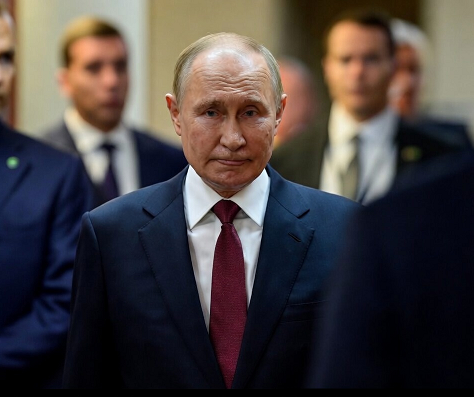
Russian President Vladimir Putin is set to preside over a significantly scaled-back Victory Day parade on May 9, with reports indicating that tanks, missile systems, and other heavy military hardware will be absent from Red Square for the first time in nearly two decades. The annual event commemorates the Soviet Union’s victory over Nazi Germany in World War II and has long served as one of Russia’s most important national ceremonies and a prominent display of military power.
According to Kremlin statements, the decision to reduce the scale of the parade is linked to what officials described as the “current operational situation” and security concerns tied to the ongoing war in Ukraine. Russian authorities have pointed to alleged Ukrainian threats as justification for the changes, though outside analysts suggest the move reflects growing worries about long-range drone strikes or sabotage attempts targeting military assets during preparations or during the event itself.
This year’s parade is expected to differ sharply from previous celebrations. Normally, Victory Day features columns of tanks, armored personnel carriers, missile launchers, and advanced military systems moving through Red Square, alongside flyovers and marching formations representing branches of the armed forces. Reports indicate those major hardware displays will be absent, and some traditional participants — such as military cadets and youth organizations — may also be excluded or reduced.
Victory Day carries enormous symbolic significance in Russia. It is one of the country’s most revered public holidays, honoring the immense sacrifices made during World War II. Under Putin, the event has become increasingly central to state messaging, national identity, and demonstrations of military strength. In recent years, the Kremlin has also used the symbolism of the Second World War to frame its conflict with Ukraine as part of a broader struggle against hostile outside forces.
The contrast with previous years is striking. Last year’s parade included a larger military display and was used heavily to reinforce domestic support for Russia’s war effort. A reduced event this year may signal that the Kremlin is balancing propaganda goals with real security vulnerabilities and wartime constraints.
Meanwhile, Ukraine has intensified strikes deep inside Russian territory using drones and other long-range capabilities. Ukrainian President Volodymyr Zelenskyy has praised such operations as legitimate efforts to weaken Russian military logistics and bring the war closer to those directing it.