Trump Reenacts Mexico’s Reaction to His Gulf of America Proposal
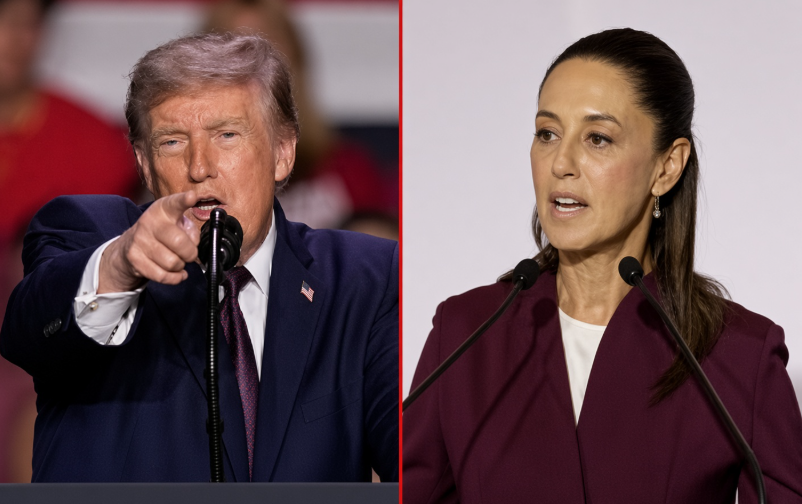
President Donald Trump has reignited attention on his controversial proposal to rename the Gulf of Mexico the “Gulf of America,” recounting a reported reaction from Mexico’s president during remarks about the dispute. Trump reenacted what he described as a firm “No, no, no” response, portraying Mexico’s opposition as a direct rejection of his effort to change the name of the strategically important body of water.
The exchange highlights the continuing disagreement between Washington and Mexico City over the proposal and its broader political significance. Trump has presented the alternative name as a reflection of American identity and influence, while the traditional name remains deeply established in Mexico and internationally. For Mexico, the issue also touches on national sovereignty, historical identity, and the relationship between the neighboring countries.
The proposed renaming has become part of a wider pattern in Trump’s political messaging, in which symbolic changes are used to emphasize his administration’s priorities and its approach to American power. Supporters may view the initiative as an expression of national pride, while critics see it as an unnecessary provocation that risks complicating relations with a major US neighbor and trading partner.
The disagreement also illustrates the broader challenges facing US-Mexico relations, which encompass trade, border security, migration, and regional cooperation. Even a seemingly symbolic dispute can attract political attention when it becomes linked to questions of national identity and diplomatic respect.
Trump’s reenactment brought renewed visibility to the controversy, but it does not resolve the underlying disagreement. The Gulf of Mexico remains widely recognized by its traditional name internationally, and any broader acceptance of an alternative would face significant practical and diplomatic obstacles. The episode underscores how a naming dispute can become a larger political flashpoint between two closely connected countries.