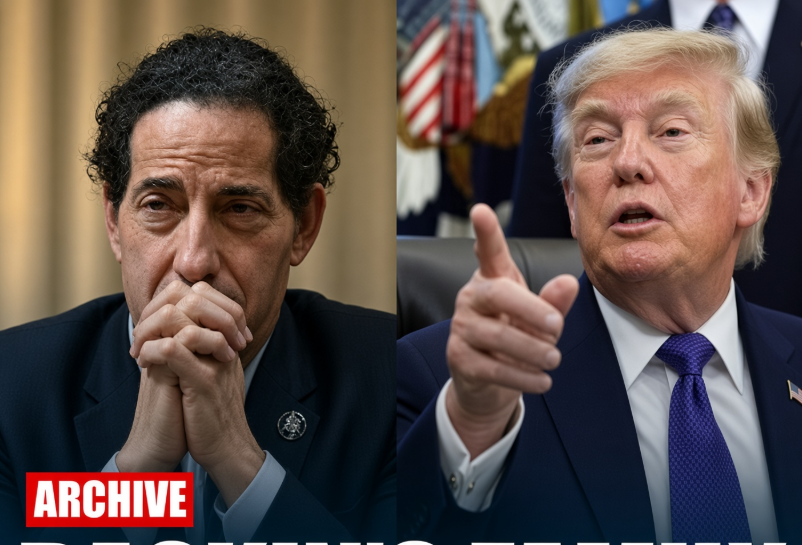
Jamie Raskin Questions Equal Justice Over Pardons and Prison Treatment
Representative Jamie Raskin has raised serious concerns about presidential pardons, equal justice under the law, and the potential security risks associated with individuals released after the January 6, 2021, Capitol attack. During his remarks, the Maryland Democrat described an alleged personal experience involving a January 6 defendant who received a pardon and later reportedly traveled with weapons while making threats against Raskin’s family and former President Barack Obama.
Raskin’s account highlighted questions about the consequences of broad clemency decisions and whether individuals accused or convicted of serious offenses receive appropriate scrutiny after their release. The allegations, as described in his remarks, also raised concerns about the safety of public officials and their families.
Beyond the January 6 cases, Raskin questioned the treatment of several high-profile figures, including Binance founder Changpeng Zhao and Silk Road marketplace founder Ross Ulbricht. Their cases have attracted public attention because of the different circumstances surrounding their convictions, sentences, and subsequent presidential clemency decisions. Raskin’s criticism focused on what he views as disparities in how political influence, wealth, and personal connections may affect outcomes within the justice system.
He also raised concerns about the reported treatment of Ghislaine Maxwell, the convicted associate of Jeffrey Epstein, drawing attention to questions surrounding prison conditions and the handling of high-profile inmates.
At the center of Raskin’s argument is the principle that justice should be applied consistently, regardless of a person’s political affiliation, financial resources, or relationship with powerful individuals. He argued that pardons, commutations, and prison treatment deserve greater scrutiny when they appear inconsistent with established legal standards.
The controversy reflects broader debates over presidential clemency powers and public confidence in American institutions. While presidents possess extensive constitutional authority to grant pardons, critics argue that such decisions should be evaluated for their fairness, transparency, and potential consequences.
Raskin’s remarks underscore a fundamental question: whether the justice system applies the same standards to everyone, or whether political influence can produce unequal outcomes.