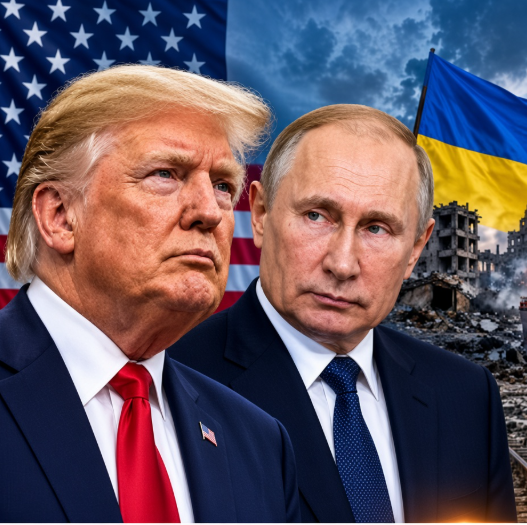
The Trump administration’s negotiations with the Kremlin over the war in Ukraine have reportedly expanded beyond peace efforts to include discussions of a potential multi-billion-dollar deal involving Russian oil giant Lukoil. According to The New York Times, Russian President Vladimir Putin raised the proposal during a September 5 meeting in Moscow with U.S. envoys Jared Kushner and Steve Witkoff.
The reported proposal could involve Lukoil’s extensive international assets, including refineries, oil fields and fuel stations located around the world. Lukoil has remained under U.S. sanctions since 2025 because of its role in Russia’s energy sector and its contribution to the country’s war economy.
Any agreement involving the company could therefore become politically sensitive, particularly if it requires Washington to ease or remove existing sanctions. Critics could question whether economic negotiations are being used to create leverage in the broader Ukraine peace process, while supporters reportedly argue that increased access to Russian energy assets could help stabilize global oil supplies and potentially lower prices.
The proposal also highlights the complex economic dimensions surrounding efforts to end the war. While diplomatic negotiations have focused publicly on ending hostilities and establishing security arrangements, discussions involving major Russian energy assets could create additional incentives—and complications—for both sides.
However, the reported Lukoil deal remains only a potential proposal, and its final structure, ownership arrangements, financing and relationship to sanctions policy remain unclear. The negotiations could face significant opposition in Washington and elsewhere, particularly if the agreement is viewed as benefiting Russia without sufficient progress toward a lasting settlement in Ukraine.