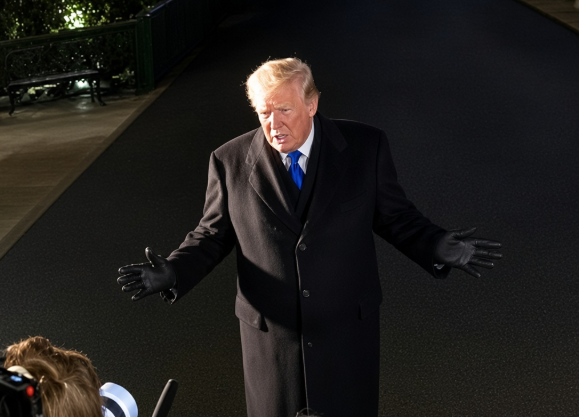
President Donald Trump is facing renewed scrutiny after reporters publicly challenged one of his recent threats, creating an unexpected political moment that quickly attracted attention. The confrontation reportedly centered on Trump’s warning and whether the administration could follow through on the action he had threatened.
The exchange put additional focus on the gap between political rhetoric and what can actually be implemented. Reporters pressed for clarification and details, raising questions about the timing, legal authority and potential consequences of the administration’s position.
Trump has frequently used strong language when discussing political opponents, foreign governments and major policy disputes. Such statements can generate immediate headlines, but the practical impact depends on subsequent decisions, government action and reactions from other officials and institutions.
The latest confrontation highlights the role of journalists in challenging presidential statements and seeking specific answers about controversial policies. The questions reportedly produced new information and intensified discussion over the administration’s position.
However, descriptions that Trump’s threat “blew up in his face” are political framing rather than an established fact. The significance of the exchange depends on the exact threat involved, the reporters’ evidence and whether the administration changes its position afterward.
The incident nevertheless demonstrates how quickly a presidential statement can become a broader political controversy when reporters demand clarification. Further developments could determine whether the confrontation leads to a policy change, additional explanation from the White House or continued disagreement between the administration and the press.