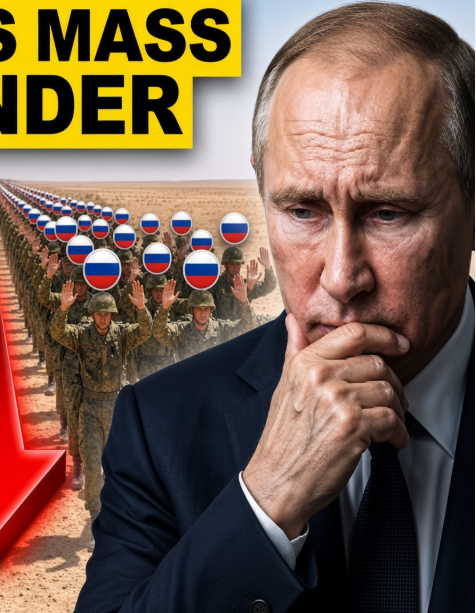
Reports of increasing desertion and surrender attempts among Russian troops have renewed questions about the military’s ability to maintain manpower and sustain prolonged operations in Ukraine. The headline characterizes the alleged departures as the largest desertion event in modern military history, although that sweeping claim requires substantial evidence and independent verification.
Russia has relied on recruitment campaigns, financial incentives, contract soldiers, and other measures to replenish its forces during the war. Maintaining troop numbers, however, involves more than recruitment alone: training replacements, equipping new units, integrating personnel, and preserving morale are all essential to operational effectiveness.
Desertion and surrender can result from several factors, including battlefield conditions, exhaustion, fear of injury or death, poor leadership, and uncertainty about the war’s objectives. Ukraine’s “I Want to Live” initiative also provides a channel for Russian personnel seeking information about surrendering. The scale and organization of any recent surge would need to be established through credible data rather than headline claims.
Even when personnel losses are substantial, their military consequences depend on the rate of replacement, the quality of recruits, unit cohesion, and the ability to deliver equipment and supplies. A force can experience serious strain without undergoing an irreversible collapse.
The central question is whether reported desertions are part of a sustained trend that materially weakens Russia’s battlefield capabilities. Answering it requires verified figures on unauthorized absences, confirmed surrenders, recruitment, and force regeneration. Until such evidence is available, claims that Russia can no longer replace its troops should be treated as unconfirmed.