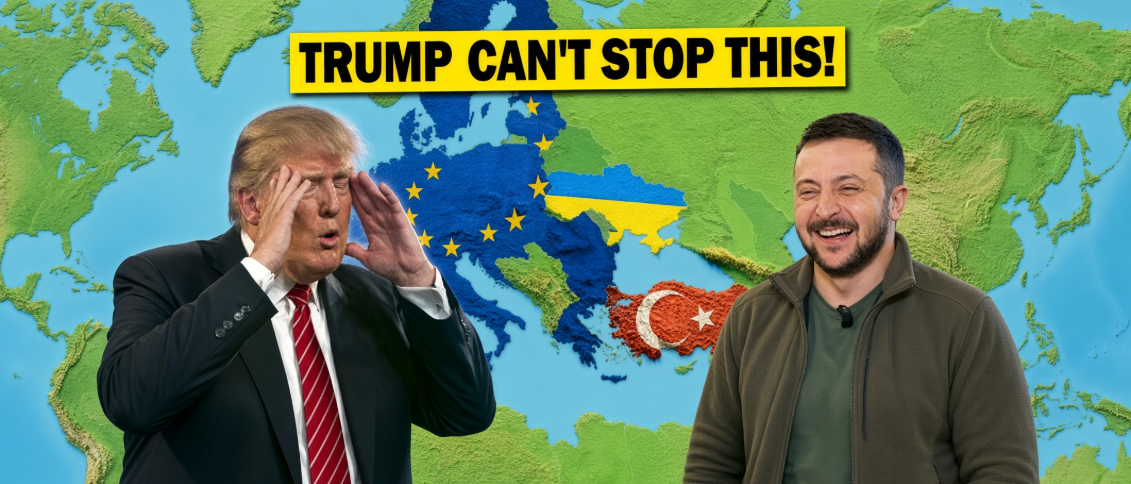
Diplomatic tensions surrounding the Russia-Ukraine war are intensifying as US President Donald Trump faces pressure from both sides to influence the course of the conflict. Efforts to negotiate an end to the fighting continue to encounter major obstacles, with Moscow and Kyiv maintaining different positions on territorial control, security guarantees, and the conditions required for a lasting settlement.
Ukraine has continued to resist calls for concessions that it believes could undermine its sovereignty and long-term security. Kyiv’s position centers on preserving its independence, protecting territory, and securing arrangements that would reduce the risk of renewed Russian aggression. Ukrainian officials also face the challenge of balancing battlefield priorities with international diplomatic pressure and continued reliance on Western military and financial assistance.
Russia, meanwhile, seeks an outcome that addresses its strategic demands and consolidates its position in occupied Ukrainian territory. These competing objectives have made negotiations difficult, while military operations continue to shape each side’s leverage.
Trump’s approach to ending the war has become a focal point of international debate. Pressure from Washington, Moscow, Kyiv, and European governments reflects differing expectations about the terms, timing, and enforcement of any agreement.
A central question is whether diplomatic initiatives can produce a settlement that both addresses immediate fighting and provides credible long-term security arrangements. A ceasefire alone would not necessarily resolve disputes over territory, sovereignty, sanctions, or future military alignment.
The continuing confrontation illustrates the difficulty of reconciling competing demands while active hostilities persist. Claims that either side is close to accepting a particular outcome should be assessed against verified public statements and concrete developments in negotiations, rather than headlines alone.