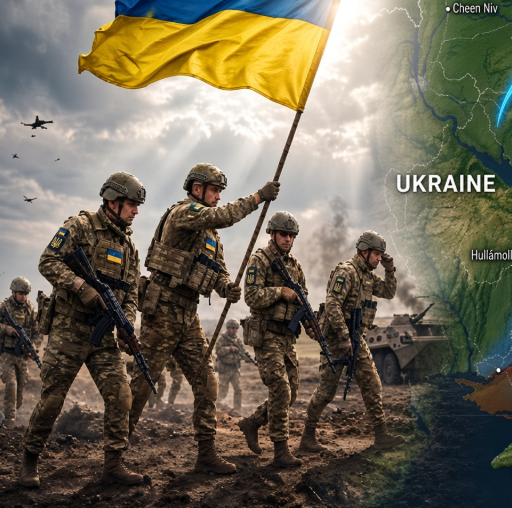
Ukraine’s reported 27-kilometer breakthrough has renewed attention on the vulnerability of Russian frontline positions and the importance of logistics in sustaining military operations. The report claims Ukrainian forces regained approximately 670 square kilometers and disrupted Russian supply routes, potentially putting pressure on units operating in exposed areas. However, the territorial figures and claim that 721,000 Russian troops have been stranded have not been independently verified.
The strategy described as a “logistics lock” focuses on targeting bridges, supply corridors, air-defense systems, and other infrastructure supporting Russian operations. Precision strikes using Western-supplied weapons, alongside Ukrainian long-range drones, could complicate Russian resupply efforts and force commanders to divert resources to protect critical routes. The reported targeting of the Chonhar Bridge and S-400 systems would be significant if confirmed.
The report also raises concerns about the dangers faced by newly recruited Russian soldiers in areas heavily monitored by drones. Its claim that recruits have an average life expectancy of just 20 minutes requires reliable evidence before it can be treated as factual.
Meanwhile, Ukraine continues to pursue technological and international defense partnerships, including expanded drone production and efforts to acquire advanced aircraft such as Sweden’s Gripen E. These initiatives could strengthen Ukraine’s long-term military capabilities, although delivery schedules, operational readiness, and production capacity remain important considerations.
Ultimately, the reported developments illustrate the growing importance of supply-line disruption, unmanned systems, and air defense in the war. Independent verification is needed to establish the scale of Ukraine’s gains and whether Russian forces are undergoing a broader retreat.