Ukraine’s Reported Drone Offensive Against St. Petersburg Raises Questions About Russian Defenses
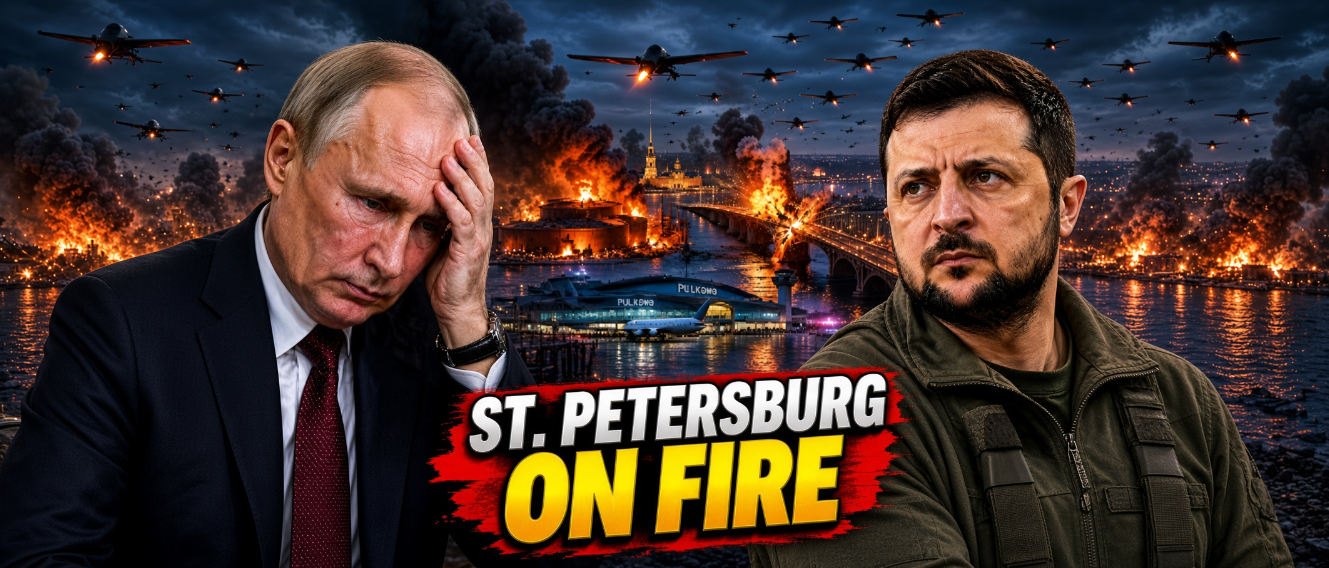
Ukraine’s reported drone assault on St. Petersburg, Russian President Vladimir Putin’s hometown, has renewed attention on Russia’s air defenses and the security of critical infrastructure far from the front lines. The reported operation raises questions about how effectively Russia can protect strategic facilities while sustaining its ongoing war against Ukraine.
The analysis focuses on potential impacts on oil terminals, logistics networks, and digital infrastructure. Disruptions to oil facilities could affect fuel storage and transportation, while damage to logistics infrastructure could complicate the movement of supplies and equipment. Incidents involving digital infrastructure could also create operational challenges, depending on the systems affected and the extent of the disruption.
Beyond the immediate damage, the reported assault highlights the growing importance of long-range drones in the conflict. Ukraine has increasingly sought to pressure Russian military and industrial infrastructure beyond the battlefield, potentially forcing Moscow to allocate additional resources to protect sites across its territory.
However, the broader strategic implications depend on verified information about the targets, the damage sustained, and whether disruptions persist. An attack does not necessarily demonstrate that an entire air-defense network has failed or that Russia’s military capabilities have been substantially reduced.
The reported offensive illustrates the challenges of defending a vast national infrastructure during wartime. Its lasting effects on Russia’s energy sector, military logistics, and wider war effort remain uncertain pending reliable assessments.