China, Russia, and North Korea: Shifting Alliances and Growing Strategic Dependence
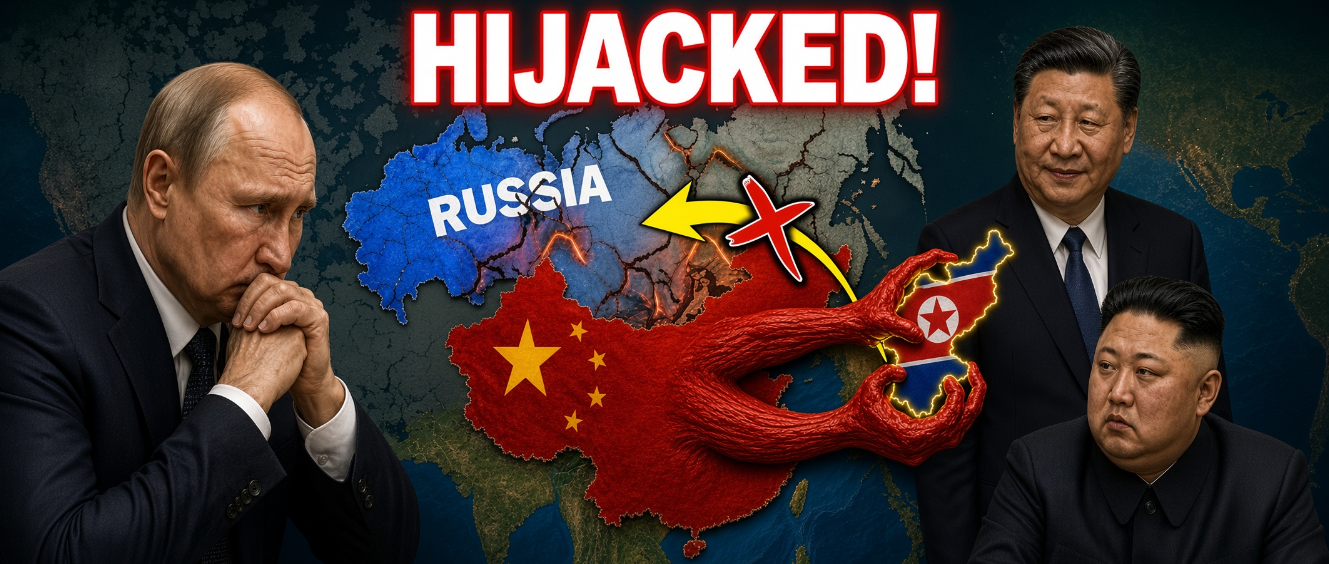
The relationship between China, Russia, and North Korea is becoming increasingly important to the geopolitical balance in Asia and the war in Ukraine. Claims that Chinese President Xi Jinping has displaced Vladimir Putin as North Korea’s primary partner point to a wider question: how are economic dependence, military cooperation, and competing strategic interests reshaping ties among the three countries?
Russia’s reliance on China has grown amid Western sanctions and restrictions on access to technology and international markets. Chinese goods and industrial components have become important to Russian supply chains, while energy exports provide Beijing with opportunities to negotiate favorable terms. However, claims that China accounts for exactly 57% of Russian imports, or that Russia has become a “vassal state,” require careful context and should not be treated as established conclusions without supporting data.
North Korea’s military cooperation with Russia has also attracted international scrutiny. Reports have described North Korean ammunition supplies to Russian forces, alongside concerns that Pyongyang could seek military, space, or other technical assistance in return. The specific claim that six million artillery shells were exchanged for classified nuclear-submarine technology remains unverified in the supplied account.
The proposed Tumen River bridge project illustrates the potential complications of infrastructure cooperation, but claims that its failure destroyed trust between Kim Jong-un and Putin require evidence. Likewise, estimates that China supplies 80% of Russia’s restricted electronics need a clearly defined source and methodology.
Overall, the three countries share interests in resisting Western pressure, but their relationship also involves unequal economic leverage and distinct national priorities. The long-term balance will depend on trade, military assistance, technology transfers, and each government’s ability to preserve strategic independence.