Ukraine’s Long-Range Drone Campaign Tests Russia’s Air Defense Network
Ukraine’s expanding long-range drone campaign is putting increasing pressure on Russia’s military infrastructure, energy facilities, and logistics networks. Reports of strikes across widely separated regions, potentially reaching around 2,000 kilometers from Ukrainian territory, highlight Kyiv’s efforts to disrupt assets that support Russia’s war effort far beyond the front lines.
Strategic bomber bases, fuel refineries, storage facilities, and transportation hubs are important to Russia’s ability to sustain military operations. Damage to these sites can create repair costs, interrupt supplies, and force authorities to divert resources toward protecting vulnerable infrastructure. However, the scale of recent damage and the extent of any operational disruption require confirmation from reliable reporting and independent assessments.
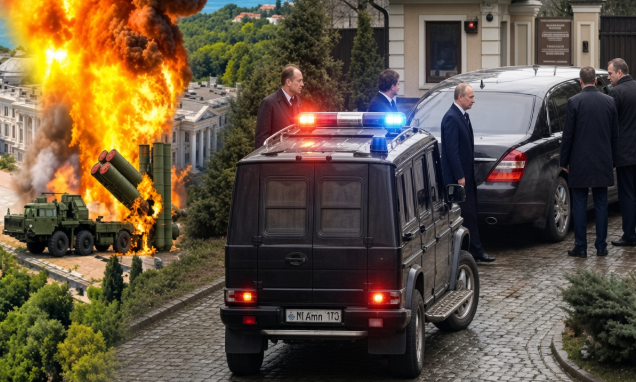
A central issue is Russia’s air-defense allocation. Systems such as the S-400 and Pantsir are designed to counter different categories of aerial threats, but no defensive network can guarantee interception of every incoming drone. Low-cost unmanned aircraft can complicate detection and interception, particularly when attacks occur across multiple locations or overwhelm local response capacity.
Reports that Russia has moved additional Pantsir systems to protect Moscow or presidential residences raise questions about how the country prioritizes high-value sites. If significant resources are concentrated around the capital, other facilities may face different levels of protection. The actual distribution of systems, however, would need to be verified before concluding that entire regions have been left undefended.
The targeting of commercial warehouses and retail logistics hubs also illustrates the difficulty of distinguishing ordinary economic infrastructure from facilities allegedly supporting military supply chains. Individual claims require evidence establishing the target’s role and the damage caused.
Overall, Ukraine’s long-range strikes may impose cumulative costs on Russia’s war effort, but they do not by themselves establish that its air defenses have collapsed or its logistics network has been dismantled. The longer-term impact will depend on verified damage, repair capacity, and Russia’s ability to adapt.