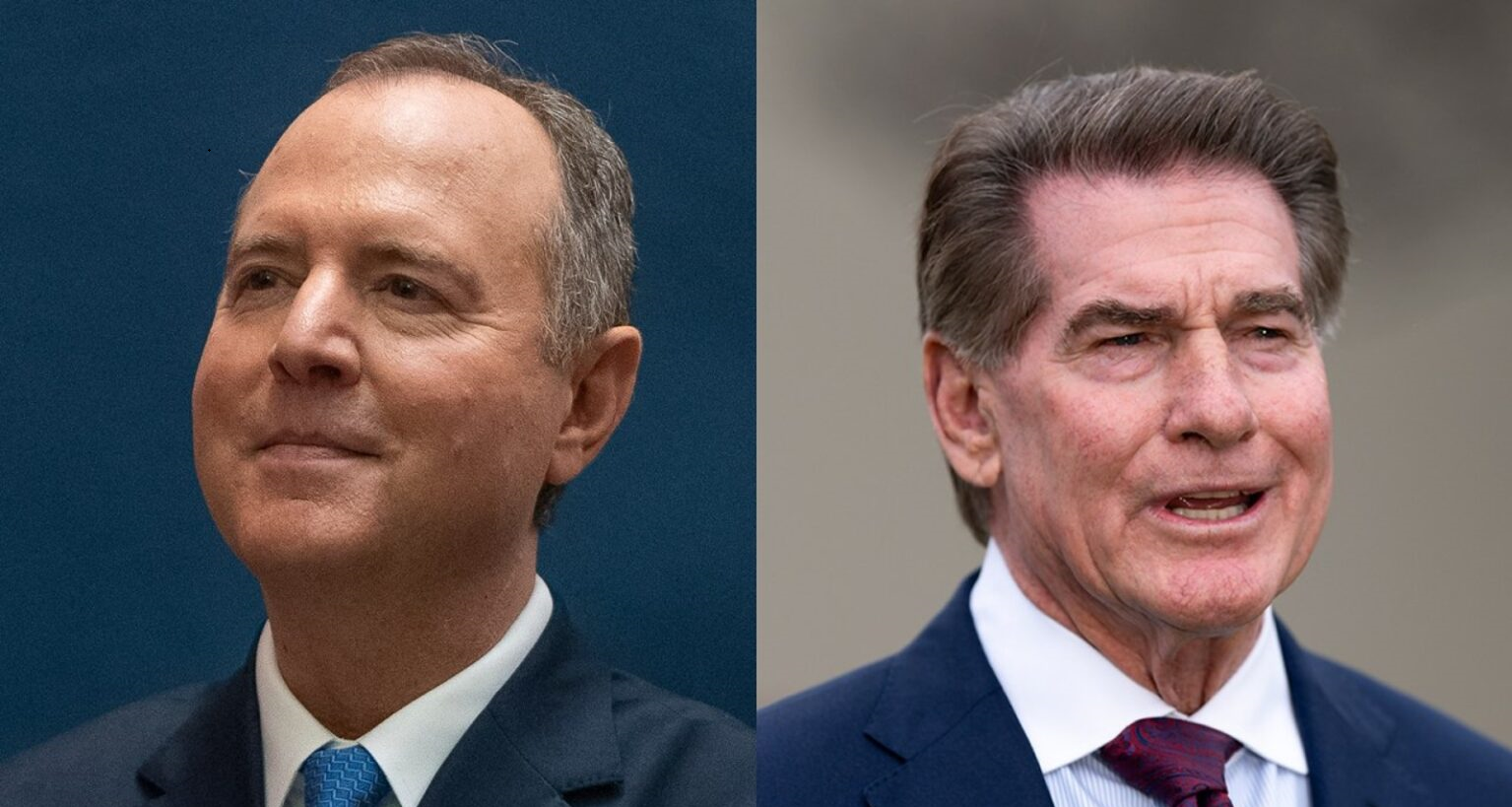
The results of California’s U.S. Senate race and outlines the political backgrounds and campaigns of the two leading candidates.
Democratic Representative Adam Schiff and Republican candidate Steve Garvey advanced to the general election in November after emerging as the top two finishers in the state’s primary system. Because California uses a “top-two” primary format, both candidates—regardless of party—advance to the general election if they receive the most votes. Schiff led the field in the primary, positioning himself as the frontrunner heading into November.
The article notes that California remains heavily Democratic, making Schiff the likely favorite to win the Senate seat. The seat was previously held by the late Senator Dianne Feinstein, who passed away in September at the age of 90. Interim Senator Laphonza Butler was appointed temporarily but did not seek a full term.
Steve Garvey, a former professional baseball player for the Los Angeles Dodgers and San Diego Padres, is described as running an outsider campaign. Garvey has emphasized his sports background, leadership experience, and desire to bring unity and economic improvement to California. He argues that the state has become too divided politically and economically, and he has focused his messaging on inflation, small business struggles, and public safety concerns. He presents himself as someone aiming to restore what he calls California’s “heartbeat.”
Garvey stated in interviews that he entered politics after failing to find a candidate who represented his values. His campaign includes traveling across the state to engage voters and promote policies centered on free markets and small business growth.
On the Democratic side, Schiff is portrayed as a well-established political figure with strong name recognition. The article references past controversies surrounding Schiff, including his role in investigations related to alleged Trump-Russia ties and recent scrutiny over his property tax filings. Despite these criticisms, Schiff’s mainstream political position and California’s Democratic lean make him the favored candidate.
Other Democrats, including Representatives Katie Porter and Barbara Lee, were also mentioned as part of the broader primary contest but did not advance. The result also means California will not have a female senator for the first time in many years.
Overall, the piece frames the race as a contest between a well-known Democratic establishment figure and a Republican outsider attempting to appeal to voters concerned about economic and quality-of-life issues, though the state’s political makeup strongly favors Schiff heading into the general election.