Reports of Growing Russian Opposition to the Ukraine War Raise Questions About Public Sentiment
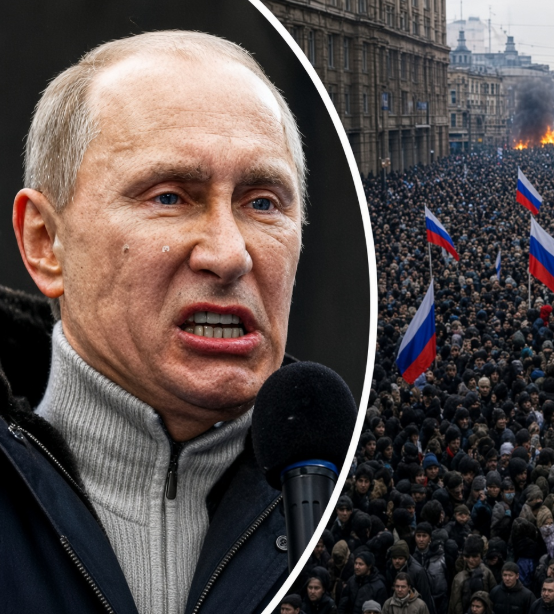
Claims that Russians are increasingly demanding an end to the war in Ukraine have renewed attention to public opinion, economic pressures, and the potential for domestic discontent inside Russia. The headline suggests that a massive revolt may be developing, but no supporting details are provided to establish the scale of any protests or whether a coordinated movement is emerging.
Russia’s prolonged war has placed demands on military recruitment, public finances, industrial production, and families affected by casualties and mobilization. Economic uncertainty, rising living costs, and restrictions on public dissent may also influence how citizens view the conflict. These pressures, however, do not necessarily translate into organized opposition or widespread demonstrations.
Assessing public sentiment in Russia is challenging because independent polling, public criticism, and protest activity can face significant constraints. Expressions of frustration about military strategy or the cost of the war also differ from explicitly demanding an immediate withdrawal or challenging the government’s authority.
If large demonstrations or coordinated calls for peace are occurring, important questions include where they took place, how many people participated, what demands they made, and how authorities responded. Verified footage, credible eyewitness accounts, and independent reporting would help establish whether isolated protests reflect a broader national trend.
The possibility of growing public dissatisfaction could matter for the Kremlin’s domestic priorities and its ability to sustain a prolonged conflict. Nevertheless, the claim that a massive revolt is brewing remains unverified based on the headline alone. Reliable evidence is needed to distinguish genuine public opposition from isolated incidents, online commentary, or exaggerated wartime narratives.