Ukraine’s Reported Sumy Counteroperation Raises Questions About Russia’s Buffer Zone Claims
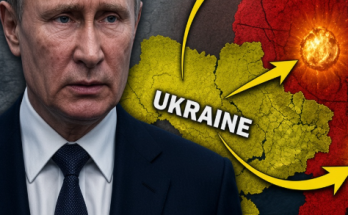
A new report claims that Ukrainian military intelligence conducted a seven-week operation in the Sumy region, targeting Russian positions and reclaiming strategically important forested terrain. The account challenges Moscow’s statements about establishing a 660-kilometer border buffer zone, although the extent of Russian control and the operation’s reported results require independent verification.
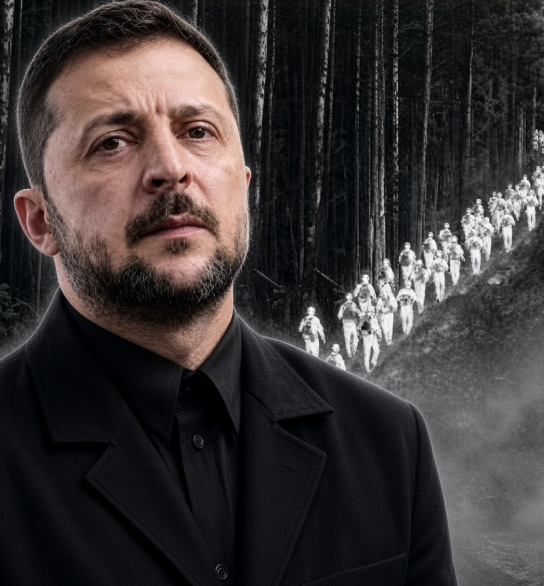
According to the supplied account, an elite Ukrainian intelligence unit struck more than 1,100 Russian targets before a team of approximately 40 operators cleared over 600 hectares of forest. The operation allegedly helped secure approaches to the H07 highway and created a potential foothold for further cross-border activity. However, claims about the territory recovered, casualties inflicted, and strategic significance of the position should be treated cautiously until corroborated by reliable evidence.
The report also alleges that inaccurate battlefield assessments concerning Dobropillya led Russian forces into heavily contested approaches near Rodynske, where Ukrainian drones reportedly inflicted substantial losses. Separately, Ukrainian drone-unit figures are cited to illustrate the growing role of unmanned systems in frontline attrition.
If confirmed, these developments could complicate Russian efforts to maintain pressure along Ukraine’s northeastern border and force Moscow to reconsider how it allocates reserves between the Sumy–Kursk area and the Donbas. Nevertheless, the suggestion that Ukraine is preparing a “Kursk 2.0” operation remains a possibility rather than an established outcome. Independent geolocation, battlefield reporting, and verified casualty assessments are needed to determine the operation’s actual scale and impact.