Reports of Tensions Between Russia’s Security Services and Business Elite Raise Questions About Kremlin Stability
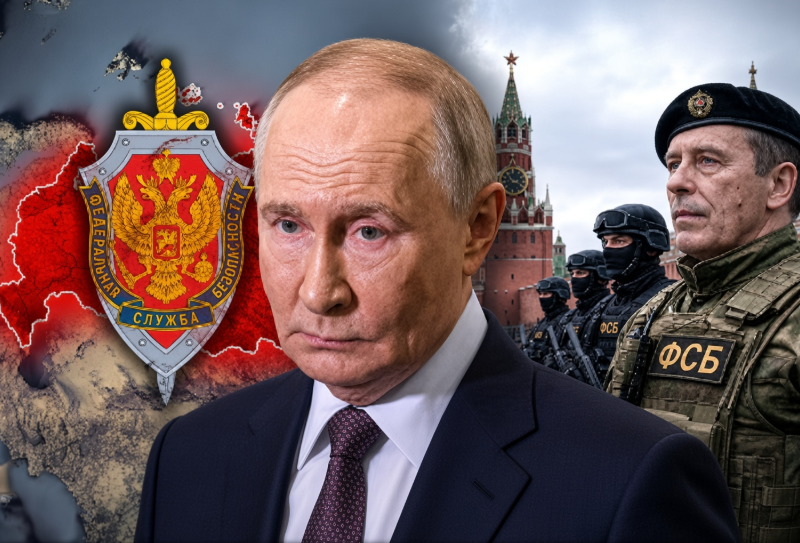
A headline claiming that a civil war has erupted between Russia’s Federal Security Service (FSB) and powerful business figures suggests a serious internal confrontation, but the headline alone does not establish that armed conflict has begun. Any assessment must distinguish documented disputes within Russia’s political and economic elite from speculation about a broader struggle for power.
The FSB plays a central role in domestic security and counterintelligence, while major business figures can wield influence through strategic industries, financial resources, and connections to government officials. Tensions could emerge over asset seizures, sanctions, wartime spending, recruitment demands, or competition for access to the Kremlin. However, these possible sources of friction should not be treated as evidence of an organized armed conflict without corroborating reports.
Russia’s war in Ukraine and the effects of international sanctions have placed pressure on government finances and parts of the private sector. If disagreements among security officials, political leaders, and influential business figures intensify, they could affect policy decisions and the distribution of economic power. Yet elite rivalries do not necessarily indicate that state institutions are breaking apart.
To determine whether the situation represents a genuine security crisis, analysts would need independently verified evidence of armed clashes, competing chains of command, significant defections, or sustained violence between organized factions.
For now, the claim of a Russian civil war remains unsubstantiated by the headline alone. Verified reporting is essential to establish what has happened, which actors are involved, and whether any confrontation extends beyond political or financial disputes.