Ukraine’s Long-Range Drone Strikes Put Russian Infrastructure Under Pressure
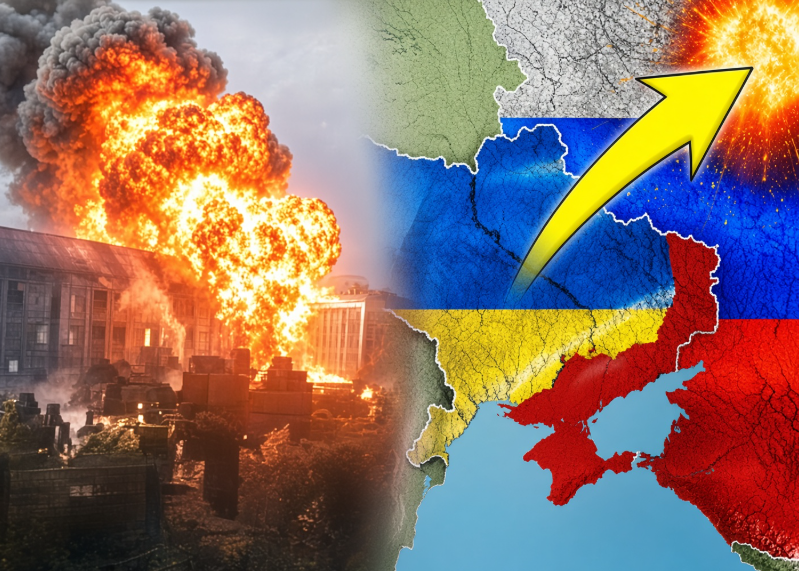
Ukraine’s reported long-range drone operation on October 27, 2025, targeted areas across the Kursk, Kaluga and Moscow regions, highlighting the expanding reach of its domestically developed unmanned aircraft. The supplied account describes explosions, fires and temporary airspace restrictions, suggesting that the strikes placed additional pressure on Russian military and industrial infrastructure.
The analysis focuses on the Beaver-2M and Morok drone platforms, which are reportedly designed for long-distance flights exceeding 2,000 kilometers. It describes a coordinated approach involving multiple waves, decoys and electronic-warfare techniques intended to complicate Russian air defenses. Russian authorities reportedly said that 193 drones were intercepted, while explosions and damage were reported in several locations. The extent of the damage and the specific targets hit require independent verification.
The account also examines how low-altitude flight paths, reduced radar signatures and improved resistance to electronic jamming may help Ukrainian drones penetrate defended airspace. The Beaver-2M is described as having a human-controlled terminal guidance capability, while the Morok is presented as a platform optimized for long-range endurance.
The broader significance lies in the changing economics of air defense. Relatively inexpensive drones can force Russia to devote substantial resources to protecting distant infrastructure, although their effectiveness varies by target and defensive response. These developments illustrate how long-range unmanned systems are increasingly influencing military logistics, infrastructure security and the conduct of the war.