Ukraine’s Long-Range Drone Campaign Raises Questions About Russia’s Strategic Security
Ukraine’s expanding long-range strike capabilities are reportedly putting pressure on Russian military infrastructure far beyond the front lines. The supplied account focuses on drones said to have ranges of up to 3,000 kilometers, including the Ukrainian-developed Flamingo system, and claims that these weapons are challenging the assumption that Russia’s vast territory provides secure protection for its strategic assets.
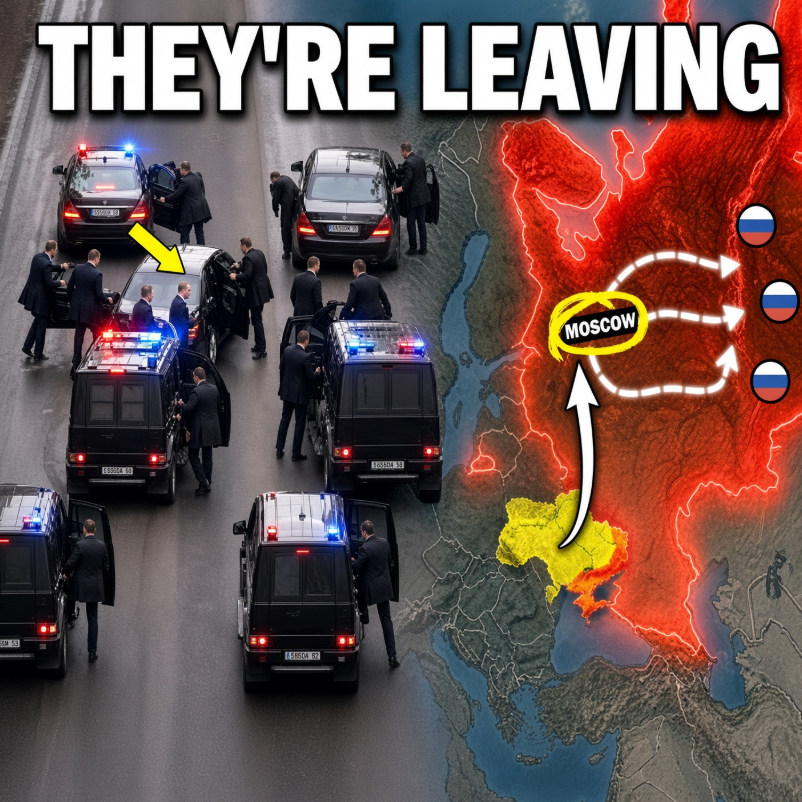
The report alleges that concerns over possible strikes have prompted Russian leadership to rely more heavily on underground facilities in the Altai region. It also describes the relocation of strategic bomber aircraft, including Tu-160 and Tu-95 platforms, to bases beyond the Ural Mountains. However, claims that Vladimir Putin or senior Kremlin officials have fled Moscow, or that specific Siberian bunkers have been activated, require independent confirmation.
The potential relocation of strategic aircraft would reflect the importance of dispersal and protection as Ukraine develops weapons capable of reaching distant targets. Moving bombers farther from threatened areas, however, could increase operational demands and complicate maintenance, logistics, and mission planning.
The broader issue is the changing geography of the war. Long-range drones are forcing Russia to consider vulnerabilities across a much wider area, potentially stretching air defenses and increasing the cost of protecting military and government facilities.
While the claims of a Kremlin evacuation remain unverified, the reported developments highlight how Ukraine’s growing strike range could challenge Russia’s strategic depth and reshape its approach to national security.