NATO Strengthens Its Northern Flank as Russia Expands Military Infrastructure
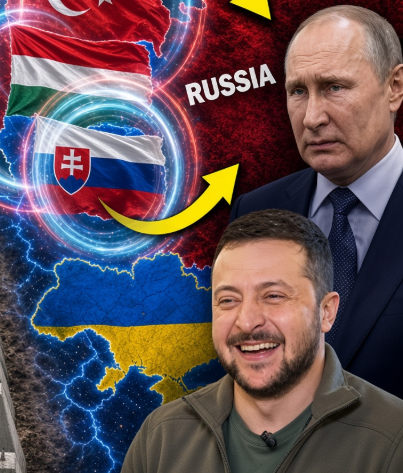
Northern Europe and the Baltic states are accelerating military preparations as concerns grow over Russia’s military buildup near NATO territory. Moscow is reportedly developing infrastructure capable of supporting up to 80,000 troops near Finland and positioning additional T-90M tanks in Karelia, prompting neighboring countries to strengthen their defenses.
Finland remains a central part of NATO’s northern security strategy, with a large trained reserve and a mobilization system designed to support a force of approximately 280,000 personnel. Sweden is reinforcing its military presence on Gotland, while Estonia plans to construct hundreds of defensive bunkers and Latvia is installing anti-vehicle obstacles along vulnerable border areas.
Germany is also expanding its role in the region through the permanent deployment of a Panzer Brigade in Lithuania, marking a significant change in its overseas military posture. These efforts are intended to improve readiness, reinforce territorial defense and make potential Russian military operations more difficult.
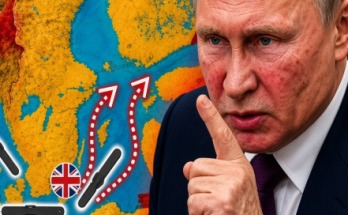
The Baltic Sea is becoming another important area of strategic competition. NATO’s combined naval capabilities give the alliance substantial regional advantages, while Russian shadow fleet activity, maritime security concerns and military infrastructure in Kaliningrad continue to complicate the situation.
However, stronger NATO defenses do not make the collapse of Russia’s northern military position inevitable. The developments instead reflect a growing long-term security competition, with both sides investing in forces, infrastructure and deterrence along Europe’s northeastern frontier.