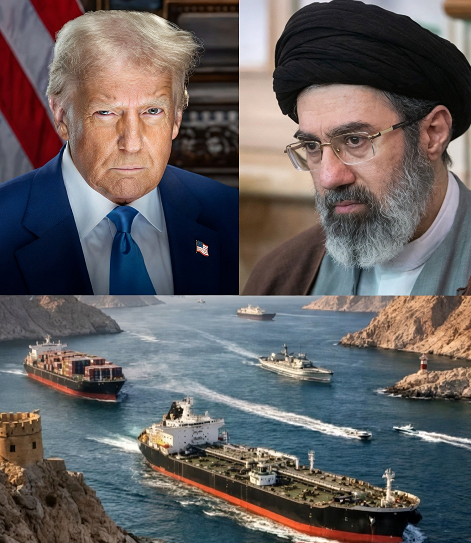
Reports claim that more than 20 commercial ships transited the Strait of Hormuz within the last 24 hours, with each vessel allegedly paying fees that totaled around $2 million to Iran. If accurate, that would represent more than $40 million generated in a single day from traffic moving through one of the world’s most strategically important waterways.
The Strait of Hormuz is a narrow maritime passage connecting the Persian Gulf to global shipping lanes. It serves as a crucial route for international trade, especially for oil and natural gas exports from Gulf producers. A significant share of the world’s seaborne energy supply passes through this channel each day, making stability there essential to global markets.
Any fees, restrictions, or tensions affecting ship movement in the area can quickly influence shipping costs, insurance rates, fuel prices, and broader economic confidence. Even rumors of disruption often attract worldwide attention because of the strait’s outsized importance.
Developments involving the Strait of Hormuz underscore how regional security issues can have immediate international consequences, impacting commerce, energy supply chains, and geopolitical relations far beyond the Middle East.