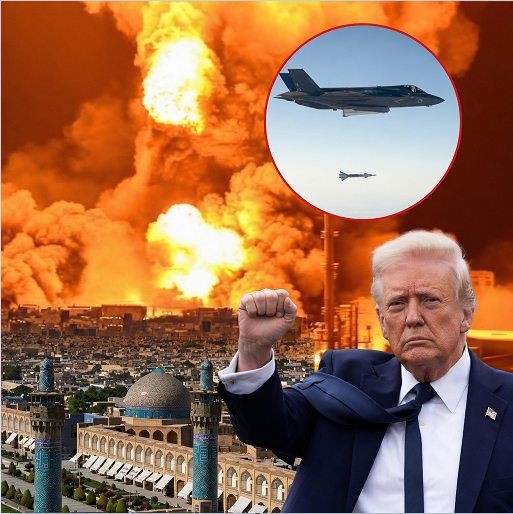
The report outlines a dramatic escalation in Middle East tensions, describing a large-scale military campaign launched by Israel with support from the United States against Iran beginning on February 28, 2026. The operation marks a shift from years of containment strategies—such as diplomacy, cyber operations, and targeted strikes—to direct, sustained military action aimed at neutralizing Iran’s nuclear and military capabilities.
The background to the conflict includes long-standing Israeli concerns over Iran’s nuclear ambitions, which Israeli officials have viewed as an existential threat. Following a prior conflict in mid-2025 that weakened parts of Iran’s nuclear infrastructure, intelligence assessments suggested Iran was rebuilding its capabilities. Internal unrest in Iran in early 2026, which was forcefully suppressed, was seen by Israeli planners as a moment of vulnerability.
The initial offensive, reportedly coordinated between Israeli Prime Minister Benjamin Netanyahu and U.S. President Donald Trump, involved a large-scale air campaign targeting military, nuclear, and leadership sites across Iran. One of the most consequential developments described is the reported killing of Iran’s Supreme Leader, Ali Khamenei, an event that would represent a major turning point with profound regional implications.
The campaign quickly expanded beyond initial strikes, hitting energy infrastructure, missile facilities, and nuclear sites such as Natanz nuclear facility. These actions disrupted Iran’s energy sector and contributed to volatility in global oil markets. In response, Iran launched missile attacks on Israeli territory, some of which caused casualties despite interception systems.
The humanitarian toll has been severe. Thousands of people have reportedly been killed, including a significant number of civilians, with damage to schools, hospitals, and residential areas. Both sides dispute responsibility for civilian harm, reflecting the broader information and narrative conflict surrounding the الحرب.
The conflict has also widened geographically. Israeli operations against Hezbollah in Lebanon have displaced large populations and added another layer of instability. Meanwhile, international reactions have been mixed: some countries have supported aspects of the campaign, while others—including the United Nations—have called for restraint and raised legal concerns.
Strategically, the operation represents a major shift in regional dynamics. It involves unprecedented actions such as sustained strikes داخل إيران and the targeting of top leadership. It also raises concerns about escalation, including risks tied to nuclear facilities and broader regional الحرب.
In summary, the campaign has reshaped the geopolitical landscape of the Middle East, intensifying military confrontation, triggering humanitarian crises, and disrupting global energy markets. Its long-term consequences remain uncertain, but it is already clear that the events of early 2026 will have lasting effects on regional stability and international relations.