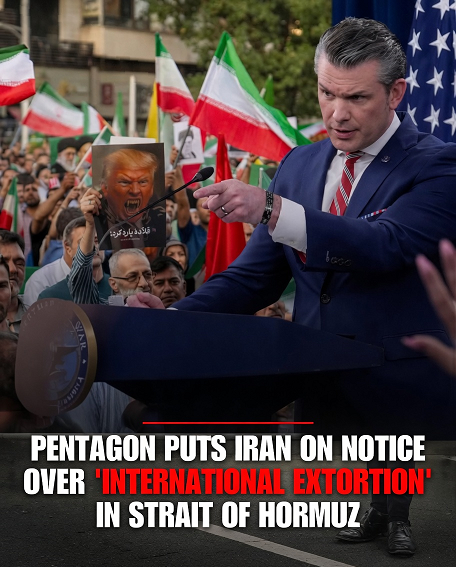
Forceful statement by Pete Hegseth addressing escalating tensions with Iran over activity in the Strait of Hormuz, one of the world’s most critical maritime routes for global energy supply.
According to the statement, Iran has been accused of repeatedly harassing commercial vessels, including firing at civilian tankers and attempting to impose a toll system on ships passing through the strait. Hegseth characterized these actions as “international extortion,” arguing that they threaten not only regional stability but also global trade and energy security. The Strait of Hormuz is a vital chokepoint through which a significant portion of the world’s oil supply flows, making any disruption there a matter of international concern.
Hegseth announced that such actions would no longer be tolerated and introduced “Project Freedom” as a response. While specific operational details were not provided, the initiative appears to signal a potential escalation in U.S. policy, possibly involving increased military presence, protective measures for shipping lanes, or coordinated international efforts to ensure freedom of navigation.
The statement frames the situation as part of a broader pattern of Iranian behavior, suggesting that these actions have persisted for years without sufficient pushback. By declaring that “this ends with Project Freedom,” Hegseth emphasized a shift from deterrence or containment toward a more assertive stance aimed at stopping interference in international waters.
Overall, the passage highlights rising geopolitical tensions centered on maritime security and underscores the strategic importance of the Strait of Hormuz. It also reflects a hardening tone in U.S. rhetoric toward Iran, signaling that further confrontation—whether diplomatic, economic, or military—may be on the horizon if such activities continue.