The U.S. Senate unanimously approved a bipartisan resolution banning senators and their staff from participating in prediction markets, reflecting growing concerns about ethics, insider information, and public trust in government. The rule change, which took effect immediately after a voice vote Thursday, prohibits Senate members, officers, and employees from placing wagers on platforms that allow betting on real-world events such as elections, wars, economic developments, and political outcomes.
The measure was introduced by Bernie Moreno, who argued that lawmakers with access to sensitive information should not be involved in speculative financial activities. Moreno said senators have “no business engaging in speculative activities like prediction markets while collecting a taxpayer-funded paycheck.” Democratic Sen. Alex Padilla successfully expanded the ban to include Senate staff, closing what lawmakers viewed as a major loophole because congressional aides often handle confidential briefings and legislative negotiations before information becomes public.
The decision followed mounting scrutiny of prediction-market platforms such as Polymarket and Kalshi, where users can place bets on geopolitical events, elections, and policy decisions. Concerns intensified after a U.S. special forces soldier was charged with allegedly using classified information to profit from bets connected to the capture of Venezuelan leader Nicolás Maduro. Reports of suspicious wagers tied to possible ceasefire negotiations involving the United States and Iran also fueled fears that insiders could exploit sensitive information for financial gain.
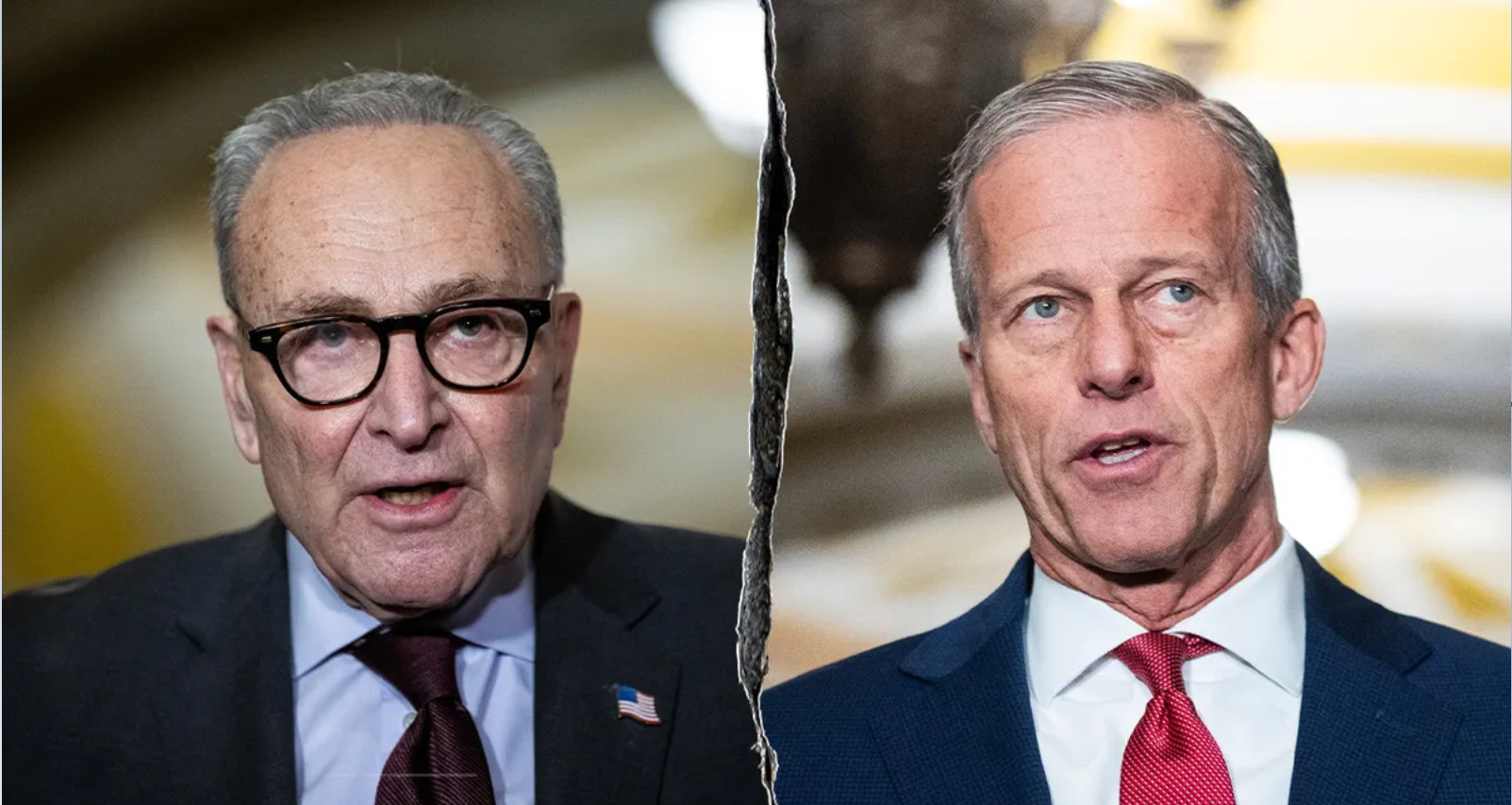
Chuck Schumer called the resolution a “no-brainer,” warning that Congress must not become “a casino where members representing the public can gamble on wars or economic crises or elections.” He urged the House of Representatives and the Trump administration to adopt similar restrictions across government.
Despite the unanimous support, the rule applies only to the Senate and does not extend to the House, executive branch officials, or the wider federal workforce. Separate legislation proposed by Sens. Todd Young and Elissa Slotkin would prohibit government officials from using insider information on prediction markets nationwide.
Questions also remain about enforcement. Oversight will likely fall to the Senate Ethics Committee, though critics note that congressional ethics rules have historically been weakly enforced. Online reactions have been mixed, with some applauding the move as a necessary ethics reform while others argued lawmakers could still evade restrictions through family members or associates.
The resolution represents a rare moment of bipartisan cooperation in a divided Senate and signals growing concern over how rapidly expanding prediction markets intersect with government power, national security, and public confidence in elected officials.