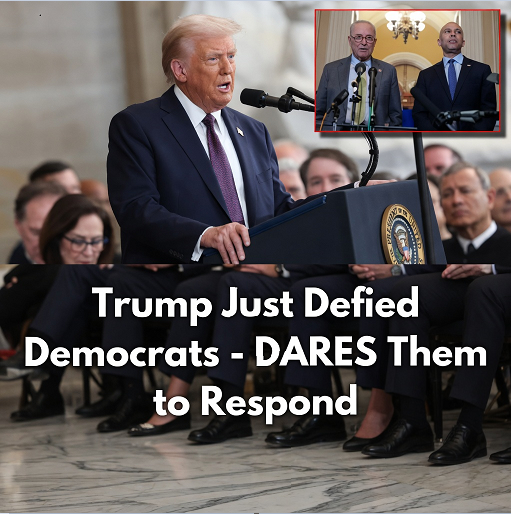
Donald Trump regarding the constitutionality of the War Powers Resolution of 1973 as U.S. military involvement connected to Iran reached the law’s 60-day threshold.
Trump stated Friday that the War Powers Act may itself be unconstitutional, arguing that presidents historically have not sought congressional approval for similar military operations. Speaking before departing for his Mar-a-Lago residence in Florida, Trump said prior administrations had largely treated the law as an unconstitutional limitation on presidential authority as commander-in-chief. He questioned why his administration should be treated differently when earlier presidents often conducted military actions without formal authorization from Congress.
The debate comes as military tensions involving Iran and the United States passed the 60-day point outlined in the law. According to the report, the United States and Israel launched operations against Iran on February 28, while Congress was formally notified on March 2. Under the War Powers Resolution, presidents may engage in military action for 60 days in response to an imminent threat before needing either congressional authorization or a withdrawal of forces.
Pete Hegseth testified before Congress that the administration believes the clock has effectively paused because a cease-fire is currently in place. He argued that the halt in active hostilities means the legal timeline under the War Powers Act is no longer running while negotiations continue.
Democratic lawmakers in the Senate have repeatedly attempted to pass resolutions aimed at restricting further military operations against Iran unless Congress grants approval. Their latest effort reportedly failed in a close vote. Supporters of those resolutions argue Congress has constitutional authority over declarations of war and should approve major military conflicts.
Meanwhile, Mike Johnson supported the administration’s interpretation, saying current conditions do not amount to active large-scale warfare because the focus has shifted toward diplomacy and negotiations rather than direct bombing campaigns.
Despite the cease-fire, tensions between the United States and Iran remain high, particularly over the Strait of Hormuz, one of the world’s most important shipping routes for oil and energy supplies. Iran has threatened shipping in the area and imposed tolls on some vessels, while the United States has reportedly attempted to pressure Iran economically by restricting tanker movements.
The article also highlights ongoing disputes over Iran’s nuclear program. The United States continues demanding that Iran abandon uranium enrichment and surrender highly enriched uranium stockpiles. Iran maintains that its nuclear program is peaceful, though reports cited in the article claim Iranian negotiators acknowledged possessing enough enriched material for multiple nuclear weapons.
Trump concluded by saying he remains dissatisfied with recent Iranian proposals during negotiations, indicating that key disagreements remain unresolved.