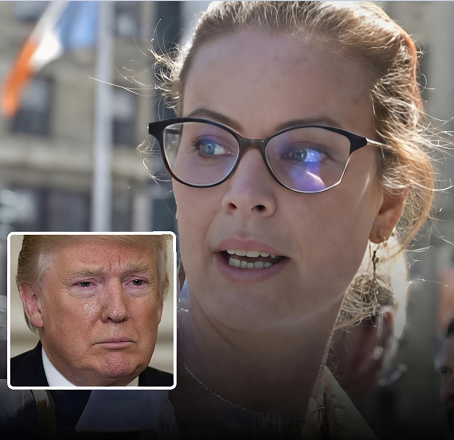
A new allegation connected to the fallout from the crimes of disgraced financier Jeffrey Epstein has drawn widespread public attention after a woman identifying herself as an alleged victim claimed to possess “secret recordings” purportedly involving former President Donald Trump in compromising situations. The claim surfaced through media interviews and statements from legal representatives, but no recordings have been publicly released, independently verified, or presented in court. No criminal charges related to the allegation have been filed.
The situation highlights how the Epstein scandal continues to generate controversy years after his death. Epstein’s 2019 arrest on federal sex trafficking charges exposed his extensive relationships with powerful figures across politics, business, entertainment, and academia. After his death in federal custody later that year, investigations continued into his network, associates, and alleged co-conspirators, leaving many questions unresolved.
According to the woman making the claim, the alleged recordings were created during encounters years ago and may include audio or video content that she describes as potentially incriminating. Her legal team reportedly says it is considering whether and how the recordings might eventually be disclosed. However, important details — including the recordings’ contents, circumstances, and authenticity — remain unknown.
Trump has long acknowledged knowing Epstein socially during the 1990s and early 2000s but has consistently denied any involvement in Epstein’s criminal activities. He has previously stated that he severed ties with Epstein years before Epstein’s arrest. Trump representatives have historically dismissed accusations connecting him to Epstein’s crimes as politically motivated or unsupported. As of now, neither Trump nor his team has issued a detailed response specifically addressing the latest recording allegation.
Legal experts note that if such recordings exist, several critical issues would immediately arise. Any materials would require forensic authentication to determine whether they were edited or manipulated. Investigators would also need to evaluate whether the recordings were legally obtained, whether statutes of limitations apply, and which jurisdiction would have authority over any potential legal action.
Reaction to the allegation has been sharply divided. Trump supporters argue the claim may be politically timed or intended to influence public opinion during an intense election climate. Critics, meanwhile, say any credible evidence connected to Epstein’s network deserves careful investigation regardless of political affiliation. Most major media organizations have reported cautiously, emphasizing that the allegation remains entirely unverified.
The broader Epstein case continues to fuel public debate about wealth, power, and institutional accountability. Civil lawsuits, court filings, and newly unsealed documents have repeatedly kept the scandal in the headlines, often drawing renewed scrutiny toward individuals who once associated with Epstein.
For now, the allegation remains unproven. Legal analysts and journalists alike stress that accusations alone do not establish guilt and that any conclusions should depend on authenticated evidence and due process. Whether the alleged recordings eventually surface or disappear into speculation remains uncertain, but the controversy once again demonstrates the lasting shadow cast by the Epstein scandal over American public life.