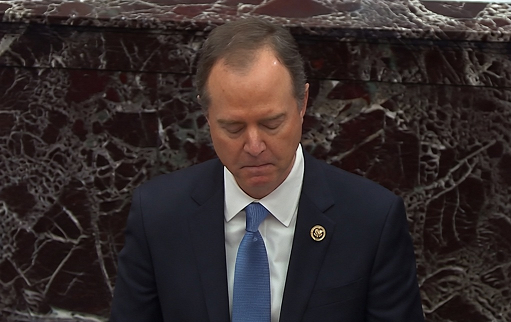
Sen. Adam Schiff has become the center of a major political storm following his recent confirmation, a development that supporters and critics alike view as highly significant for the future of Washington politics. Allies celebrated the moment as a major victory, arguing that Schiff’s rise strengthens oversight efforts, reinforces democratic institutions, and expands California’s influence in national decision-making. Supporters see him as a seasoned political figure willing to confront controversial issues and operate under intense public scrutiny.
At the same time, opponents reacted with deep concern, warning that Schiff’s confirmation could intensify partisan conflict and deepen divisions already shaping Congress. Critics believe his elevated role may lead to more politically charged investigations and confrontations on Capitol Hill, with every action he takes becoming part of a larger national struggle between competing political visions.
The response reflects Schiff’s highly polarizing reputation after years at the center of major political battles. Admirers view him as a defender of accountability and institutional stability, while detractors see him as a symbol of aggressive partisan politics. Regardless of perspective, both sides agree that his new position guarantees a greater influence over future investigations, hearings, and legislative debates.
Ultimately, Schiff’s confirmation is being viewed as more than a personal political achievement. It represents a broader shift in the balance of power and signals that he will remain a central figure in shaping the next chapter of American politics.