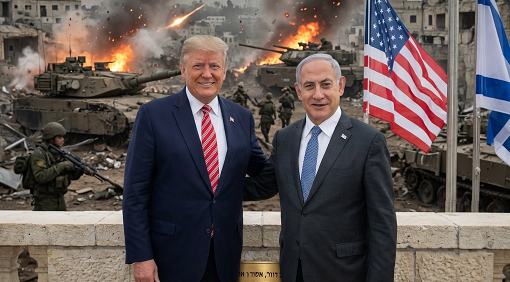
Iran has sharply escalated tensions in the Middle East after launching ballistic missile strikes targeting Tel Aviv, reportedly using cluster-type warheads. Iranian officials described the attack as retaliation for the assassination of a senior security figure that Tehran blames on Israel. The reported use of cluster munitions drew widespread international criticism because such weapons can scatter explosives over large areas, posing long-term dangers to civilians even after conflicts end. The strikes reportedly caused infrastructure damage and civilian casualties, signaling a major escalation in the ongoing confrontation between the two nations.
The conflict has expanded significantly across the region in early 2026. Iran has reportedly targeted U.S. military bases and allied facilities in countries including Kuwait, Bahrain, United Arab Emirates, and Saudi Arabia. In response, Israel and the United States have carried out counter-strikes against Iranian military positions and nuclear-related facilities. The exchange of attacks has intensified fears that the conflict could spiral into a broader regional war involving multiple nations.
Israel’s advanced defense systems, including Iron Dome and Arrow-3, continue to intercept many incoming threats. However, analysts warn that increasingly sophisticated Iranian tactics and sustained missile barrages are placing heavy strain on these systems and increasing risks to civilian populations.
Beyond the battlefield, the escalation is already affecting the global economy. Concerns over instability in the Gulf region and possible disruptions to oil and energy supply routes have caused volatility in international energy markets. With diplomatic efforts stalled and both sides signaling readiness for further military action, the international community faces growing uncertainty and rising fears of a prolonged and devastating regional conflict.