A U.S. State Department foreign service officer, identified as Daniel Choi, has reportedly been dismissed after an undercover video revealed that he failed to disclose a romantic relationship with a Chinese national whose father was allegedly affiliated with the Chinese Communist Party. The case has drawn significant attention because of concerns about national security, foreign influence, and espionage risks involving U.S. government personnel.
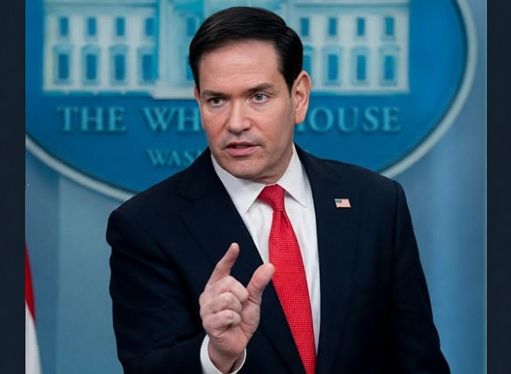
According to statements from the United States Department of State, Choi was terminated following an internal review ordered by Secretary of State Marco Rubio and approved by President Donald Trump. The controversy began after undercover footage released by O’Keefe Media Group showed Choi discussing the relationship and admitting that he had concealed it from State Department security officials.
In the video, Choi allegedly acknowledged that his girlfriend’s father was “straight-up Communist Party” and admitted that she “could have been a spy.” He also reportedly stated, “I defied my government for love,” referring to his decision not to report the relationship despite longstanding security requirements that government personnel disclose close and continuing contact with foreign nationals, especially those connected to potentially hostile governments.
Officials stated that the dismissal may be the first carried out under Executive Order 14211, signed earlier this year by Trump to strengthen accountability within the diplomatic corps. The order emphasizes that foreign service officers are expected to faithfully carry out U.S. foreign policy under presidential authority, and that violations can result in disciplinary action or termination.
Counterintelligence experts have long warned that foreign governments, including China, may use personal relationships, financial ties, or academic connections to gather intelligence from American officials. Former intelligence officials noted that undisclosed romantic relationships can create serious security vulnerabilities because they may expose government personnel to coercion, blackmail, or unauthorized information sharing.
The State Department said Choi’s actions violated established security protocols intended to protect against foreign influence and compromise. Officials reportedly considered the case especially serious because Choi allegedly admitted awareness of the potential risks while continuing to conceal the relationship.
The incident comes amid broader efforts by Rubio and the Trump administration to increase scrutiny of Chinese influence within U.S. institutions. Those efforts have included tighter vetting procedures, expanded background checks, and heightened monitoring of foreign contacts involving diplomats and national security personnel.