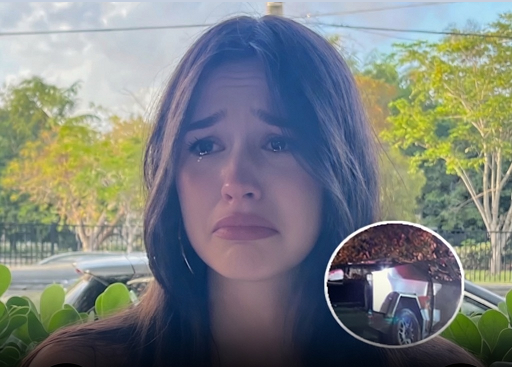
A fatal crash involving a Tesla, Inc. Cybertruck in Piedmont on November 27, 2024, has intensified debate over vehicle safety, emergency escape systems, and corporate responsibility in modern electric vehicles. The single-vehicle collision resulted in a fire that killed three young passengers and left one survivor, prompting multiple wrongful death lawsuits and renewed scrutiny of electronic door mechanisms used in advanced vehicle designs.
The victims were identified as 19-year-old Krysta Tsukahara, 19-year-old driver Soren Dixon, and 20-year-old Jack Nelson, all recent graduates of Piedmont High School who had reportedly returned home for the Thanksgiving holiday. A fourth passenger, Jordan Miller, survived after being rescued by a friend traveling behind the vehicle, who broke a window to pull him from the burning truck.
According to authorities, the Cybertruck struck a retaining wall before catching fire. Investigators from the California Highway Patrol reportedly suggested that excessive speed and possible impairment may have contributed to the crash. Court filings referenced toxicology reports alleging the presence of alcohol and controlled substances in the driver’s system, while some passengers were also reported to have tested positive for substances. These details remain part of the ongoing investigative and legal process.
A major focus of the lawsuits filed by victims’ families concerns the Cybertruck’s electronic door systems. Attorneys argue that the vehicle’s low-voltage electrical system failed during the crash and fire, allegedly making the doors impossible to open electronically. While the vehicle includes manual release mechanisms, the lawsuits claim they were difficult to locate and operate under emergency conditions involving smoke, fire, panic, and limited visibility.
According to court documents, Krysta Tsukahara reportedly survived the initial impact but later became trapped inside the vehicle as the fire intensified. Attorneys for her family claim she was unable to escape because of a combination of fire progression and door system failure, eventually dying from smoke inhalation and thermal injuries. Similar concerns were raised by the family of Jack Nelson, who criticized the accessibility of emergency exit systems during high-stress situations.
The lawsuits also accuse Tesla of allegedly being aware of potential risks tied to electronic door systems in severe crash conditions but failing to implement sufficient design changes. Tesla has denied wrongdoing, and the company’s responsibility will likely be examined extensively during litigation.
Beyond the courtroom, the tragedy has sparked broader public discussion about the growing reliance on electronic systems in modern vehicles. Critics argue that advanced technologies must be designed to remain functional during catastrophic emergencies, while supporters note that electric vehicles undergo extensive safety testing and that investigations remain ongoing.
As investigations and lawsuits continue, the crash has become part of a wider conversation about automotive innovation, safety standards, emergency preparedness, and the balance between technological advancement and reliability under extreme conditions.