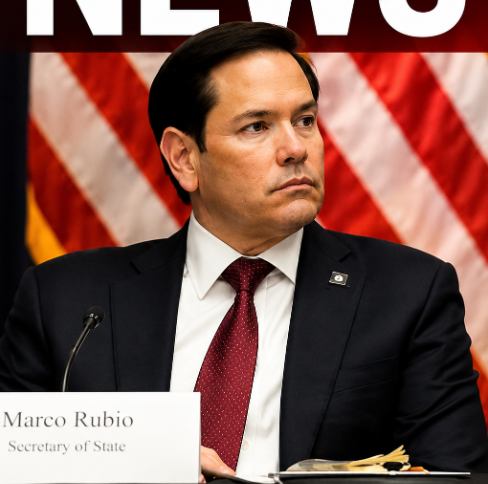
U.S. Secretary of State Marco Rubio has indicated that limited but noticeable progress is being made in back-channel diplomacy aimed at reducing tensions among the United States, Israel, and Iran. He described the situation as showing “a little bit of movement,” while stressing that the United States remains cautiously optimistic but prepared to shift to a contingency “Plan B” if negotiations fail.
An important intermediary role is being played by Pakistan, with Army Chief Syed Asim Munir reportedly traveling to Tehran for consultations with Iranian officials. Islamabad is attempting to sustain dialogue channels and serve as a bridge between Western stakeholders and Iranian leadership amid rising regional instability.
At the center of diplomatic friction is the Strait of Hormuz, a critical maritime chokepoint. Iran’s proposal to introduce a tolling system under a newly proposed “Persian Gulf Strait Authority” would require vessels to obtain authorization and pay transit fees. The United States has strongly rejected the plan, calling it illegal and a nonstarter, warning it could jeopardize global trade.
Given that nearly one-fifth of global oil shipments pass through the waterway, even limited disruptions have already increased shipping costs and unsettled energy markets. The European Union has expanded sanctions targeting actors involved in the blockade, framing the situation as a violation of international law.
Meanwhile, broader regional violence continues, including deadly clashes in Lebanon involving Israel and Hezbollah despite prior ceasefire efforts. President Donald Trump has reportedly expressed cautious optimism about a possible memorandum of understanding within days, though the maritime dispute and Iranian regulatory demands remain major obstacles that could derail negotiations and further destabilize the region.
Officials across multiple capitals continue monitoring developments closely, warning that any miscalculation at this stage could rapidly escalate tensions and undermine ongoing diplomatic efforts across the broader Middle East region in coming days.