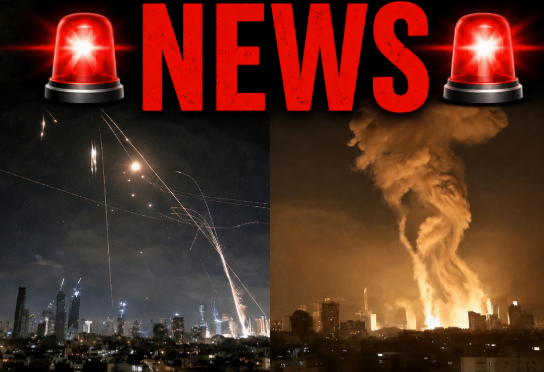
Israel has entered a period of heightened security readiness following renewed regional tensions and reports of potential threats. Authorities have confirmed that defensive and precautionary measures have been expanded in order to protect civilians and maintain national stability. While officials have not released all operational details, they emphasized that the actions are preventive and part of ongoing national security efforts as the situation continues to evolve.
The developments are being viewed within the broader context of the Middle East’s longstanding geopolitical challenges. Israel’s location in a region marked by political instability, armed conflict, and shifting alliances often requires rapid responses to changing security conditions. Analysts note that current tensions are not isolated incidents but part of a larger pattern shaped by historical disputes, territorial disagreements, strategic rivalries, and international interests.
According to official statements, Israeli authorities have activated several protective systems and increased coordination among security agencies. Enhanced surveillance operations, strengthened intelligence sharing, and the deployment of air defense systems are among the measures being implemented. Emergency response teams have also been placed on higher alert, while civil defense advisories have encouraged residents in major cities to stay informed through official government channels.
Security experts point out that modern conflicts in the region frequently involve both state and non-state actors, making it difficult to immediately determine responsibility during the early stages of rising tensions. This complexity adds to the uncertainty surrounding regional developments and highlights the importance of accurate information and careful diplomatic communication.
Israeli leadership has stated that its strategy combines strong defense preparedness with ongoing diplomatic engagement. Officials continue to work closely with international allies and partners in an effort to reduce misunderstandings and prevent further escalation. International organizations such as the United Nations have historically encouraged restraint, dialogue, and humanitarian cooperation during periods of regional instability.
Beyond military and political considerations, heightened tensions also affect everyday life for civilians living in impacted areas. Communities often experience anxiety, disruption, and uncertainty during such periods, underscoring the importance of humanitarian support and reliable communication.
As events continue to unfold, governments, analysts, and international organizations will closely monitor diplomatic negotiations, security responses, and regional reactions. Despite the challenges, continued dialogue and international cooperation remain important pathways toward stability and long-term peace in the region.