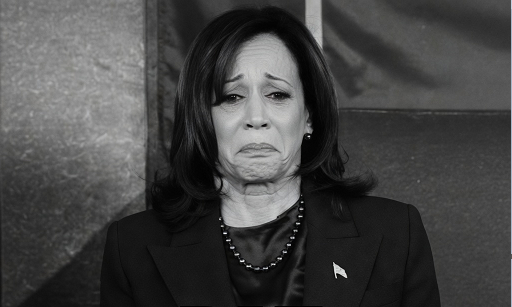
At an event in Dana Point, Kamala Harris delivered an emotional and reflective speech focused on courage, perseverance, and collective leadership rather than electoral politics or future campaigns. Speaking before a gathering of Black women leaders, Harris emphasized the personal and emotional realities of public service, particularly for women and people who often face doubt, criticism, or resistance while stepping into leadership roles.
Rather than presenting herself as a distant political figure, Harris spoke openly about fear, vulnerability, and the challenges of continuing to lead under intense scrutiny. She framed courage not as the absence of fear, but as the decision to keep moving forward despite obstacles and criticism. Her remarks centered on the idea that true leadership is measured not by personal ambition or recognition, but by how many others are supported and elevated along the way.
Harris highlighted the experiences of women who are often “first through the door” in leadership spaces and therefore more likely to encounter opposition or pressure. She encouraged the audience to remain committed even when progress feels slow or resistance becomes exhausting. According to Harris, lasting change depends on persistence, solidarity, and community rather than individual achievement alone.
The vice president connected these themes to broader issues such as voting rights, maternal health, economic equity, and civic engagement. She argued that public service should be viewed as a shared responsibility involving local communities, organizers, and everyday citizens working together over time. Harris stressed that meaningful political and social progress is often built quietly in community meetings, grassroots organizations, and local leadership spaces long before it reaches national attention.
Throughout the speech, she encouraged unity and mutual support among women leaders, particularly Black women who have historically played major roles in organizing and advancing social change despite often receiving limited recognition. The tone of the event was described as deeply personal and motivational rather than overtly political.
As the summit concluded, attendees reportedly left with a sense of responsibility rather than celebration. Harris’s message focused less on applause or symbolic moments and more on the continuing work required to protect democratic participation, expand opportunities, and support vulnerable communities. Her remarks ultimately framed leadership as an ongoing collective effort rooted in resilience, service, and the willingness to continue moving forward together despite challenges or opposition.