Ongoing high-level diplomatic and military developments involving the United States and Iran, framed around efforts by the Trump administration to reach a potential agreement to end the conflict. Secretary of State Marco Rubio, alongside President Donald Trump and Vice President JD Vance, is portrayed as playing a central role in negotiations and public messaging.
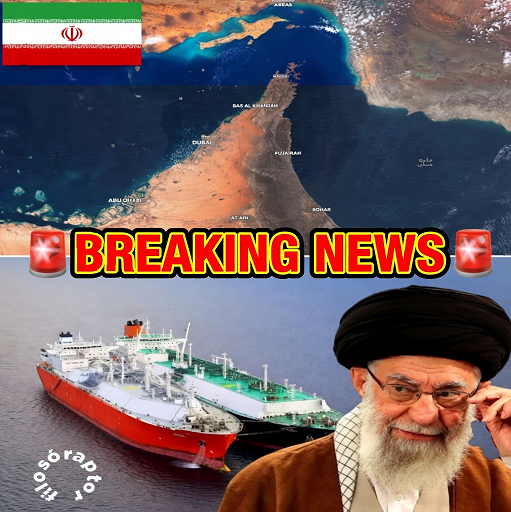
Rubio is said to have emphasized the strategic importance of the Strait of Hormuz during a visit to India, calling its closure unacceptable and illegal due to its impact on global energy security. The U.S. position is described as insisting the waterway must be reopened either through diplomacy or force if necessary.
At the same time, negotiations are reported to be taking place in Qatar, where both U.S. and Iranian representatives are working through the language of a preliminary agreement. While progress is claimed, Iran’s foreign ministry expresses skepticism, citing perceived inconsistencies in the U.S. negotiating stance. Despite this, some officials suggest that recent military pressure may be encouraging Iran to engage more seriously in talks.
The military dimension includes references to U.S. Central Command operations described as restrained but involving “self-defense strikes” against missile sites and Iranian naval assets allegedly preparing actions in key maritime regions. These developments occur alongside continued enforcement of a blockade in strategic waterways, which the U.S. frames as necessary for security.
The proposed agreement reportedly centers on Iran significantly reducing or ending uranium enrichment in exchange for relief from sanctions and easing of maritime restrictions. The Trump administration rejects earlier nuclear agreements as insufficient and seeks stricter, more permanent limits with stronger enforcement mechanisms.
Overall, the situation is depicted as a dual-track strategy combining pressure and diplomacy, with the outcome hinging on whether final technical and political disagreements can be resolved. The coming period is presented as decisive for determining whether the initiative leads to a lasting agreement or renewed escalation.