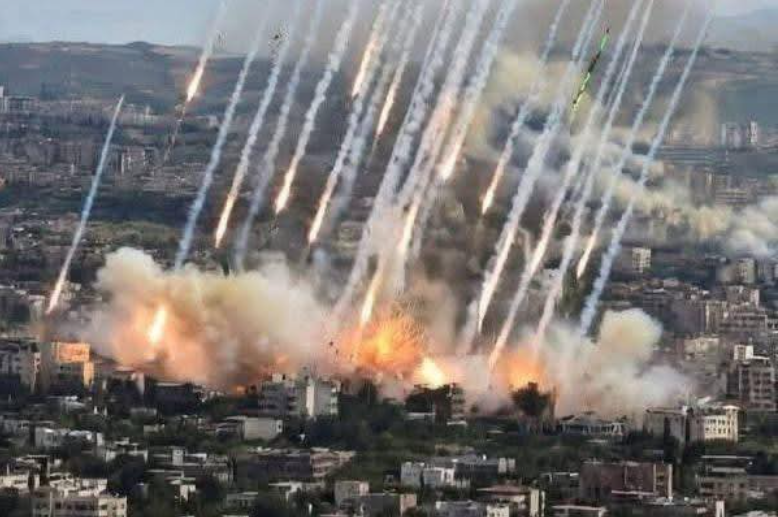
A wave of viral social media posts claiming that Donald Trump had confirmed the “passing” of an individual linked to a major military event spread rapidly online, drawing widespread attention and concern. The posts used urgent and emotionally charged language—such as “catastrophic loss” and “missile strike”—but failed to provide clear or verifiable details about who was involved, where the event occurred, or when it took place.
As the claims circulated, confusion grew. Some users assumed a significant global incident had occurred, while others questioned the credibility of the reports due to the lack of confirmation from official sources. Despite the widespread attention, no verified statements from government agencies, military authorities, or established news organizations supported the claims.
Analysts say the episode reflects a broader pattern in how misinformation spreads in the digital age. Rather than relying on outright falsehoods, many viral posts use incomplete or vague information designed to trigger curiosity and emotional reactions. The inclusion of a high-profile figure like Trump further amplified visibility, increasing the likelihood of shares and engagement.
Experts emphasize that such narratives can shape public perception and create unnecessary alarm, particularly when tied to potential military developments. They note that social media platforms often prioritize content that generates strong reactions, allowing unverified claims to spread faster than accurate information.
The incident underscores the importance of verifying sources, examining context, and avoiding reliance on headline-only information. It also highlights the growing need for media literacy as audiences navigate fast-moving digital environments where clarity and accuracy can be overshadowed by speed and engagement.