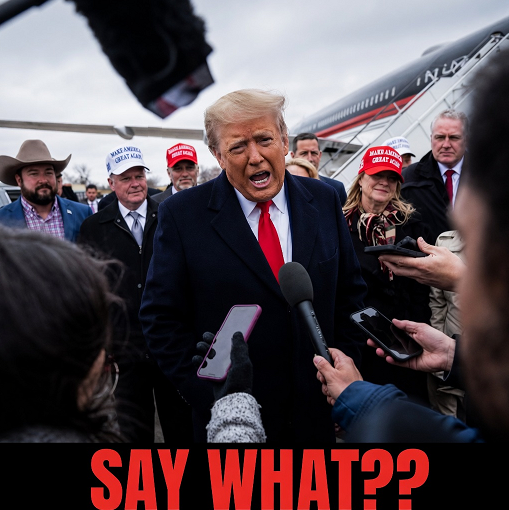
Federal Judge Mark Wolf, appointed in 1985 by then-President Ronald Reagan, announced his resignation from the federal bench after decades of service. Writing in The Atlantic, Wolf said he had originally expected to serve for life, as is typical for federal judges, but felt compelled to step down so he could speak more freely about what he views as threats to judicial independence. He specifically criticized former President Donald Trump, accusing him of using the legal system in a partisan manner—protecting allies while targeting political opponents. Wolf argued that such actions undermine the rule of law and contradict principles he developed during his early career in the Department of Justice following the Watergate era.
Wolf emphasized that his decision was rooted in principle rather than politics, stating that silence was no longer acceptable given his concerns. He also noted his intention to serve as a public advocate for judges who feel restricted by judicial ethics rules from speaking openly about political developments. His former seat on the bench was filled earlier by Judge Indira Talwani after Wolf took senior status in 2013.
The White House responded through spokeswoman Abigail Jackson, rejecting Wolf’s criticism. The statement argued that judges should not impose personal political views through their public commentary and pointed to multiple Supreme Court decisions upholding Trump administration policies despite legal challenges. Officials further contended that judges who wish to engage in political commentary should resign before doing so, framing Wolf’s remarks as inappropriate for someone formerly bound by judicial conduct rules.
In a separate political development, Republican National Committee Chairman Joe Gruters discussed the financial landscape ahead of upcoming U.S. midterm elections. Speaking on Breitbart, Gruters claimed that Republican-aligned fundraising efforts could significantly outpace Democratic counterparts, estimating roughly $800 million on the right compared with $350 million on the left when including affiliated groups.
He also suggested that potential legal changes to coordination rules between parties and campaigns could further increase Republican spending advantages. According to Gruters, this shift represents a major departure from previous election cycles in which Democrats often held financial advantages.
Overall, the report combines two major themes: Wolf’s resignation and public criticism of Trump-era governance, and the evolving financial dynamics shaping the upcoming midterm elections. Together, they reflect ongoing tensions in U.S. politics over judicial independence, executive power, and campaign influence.