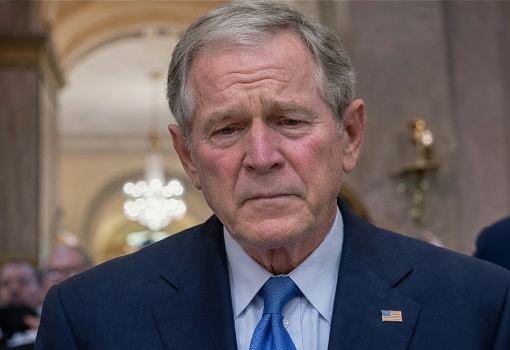
Former President George W. Bush expressed concern not primarily about partisan politics but about the gradual weakening of democratic institutions. He argued that when large, complex legislation is rushed through Congress under intense deadlines, meaningful debate is often sacrificed. As a result, lawmakers may vote on provisions they have not fully reviewed, allowing significant policy changes to pass without thorough public scrutiny.
Bush warned that the consequences of such rushed lawmaking often emerge years later, affecting everyday issues such as healthcare costs, education policies, and government regulations. More importantly, he linked this process to a broader decline in public trust. When citizens see major laws enacted amid confusion and urgency, confidence in the fairness and legitimacy of government can erode.
His central message was that durable and effective legislation requires transparency, careful review, open debate, and genuine compromise. While governing through crises may produce short-term political victories, it can weaken faith in democratic institutions over time. Bush cautioned that this loss of trust creates a long-term burden that future leaders and citizens will ultimately have to confront and repair.