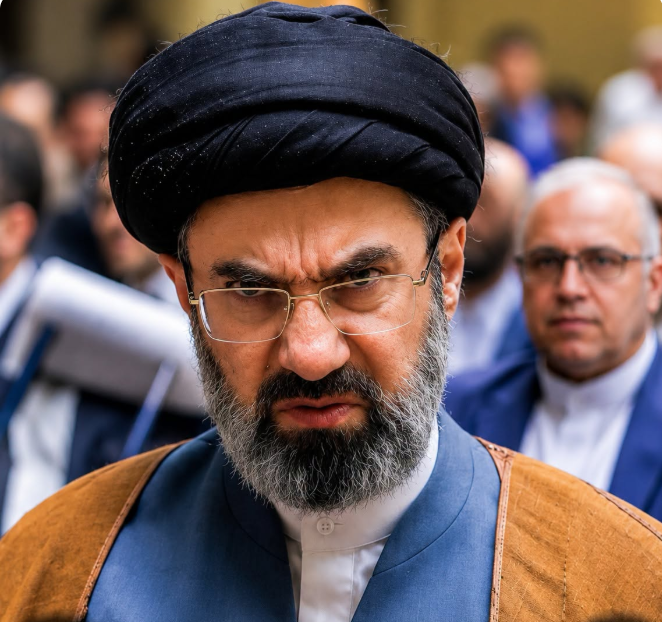
The Middle East is currently portrayed as being in a highly unstable phase, shaped by simultaneous diplomatic negotiations and continued military pressure between the United States and Iran.
In Washington, the Trump administration is described as working toward a potential framework agreement intended to reduce tensions and establish a cease-fire or broader de-escalation arrangement. Talks are reportedly taking place in Qatar, where negotiators are attempting to narrow differences and outline the terms of a possible deal. Despite signs of progress, officials have emphasized that the process remains fragile, with the White House presenting a “deal or no deal” approach that suggests the U.S. is prepared to walk away if key conditions are not met.
A central issue in the negotiations is maritime security, particularly freedom of navigation through the Strait of Hormuz. U.S. Secretary of State Marco Rubio has described any restriction on the waterway as unacceptable, arguing that it is vital to global energy trade because roughly one-fifth of the world’s oil passes through it. Ensuring uninterrupted passage has become a core demand in U.S. negotiating positions, alongside broader concerns about regional security and nuclear non-proliferation.
At the same time, military activity has continued alongside diplomacy. Reports describe U.S. Central Command conducting strikes in southern Iran targeting missile infrastructure and naval assets, framed as defensive responses to perceived threats. The continued presence of U.S. naval forces in surrounding waters is presented as part of a broader effort to deter escalation while negotiations proceed.
From Iran’s perspective, the situation is characterized by mistrust and shifting expectations. Iranian officials have signaled partial areas of agreement but accuse the U.S. of changing its position during discussions. A proposed outline reportedly involves limits on Iran’s nuclear program in exchange for sanctions relief and easing of maritime restrictions, though the exact structure and enforcement mechanisms remain contested.
President Trump’s administration frames the negotiations as a corrective to previous nuclear agreements, emphasizing stricter verification and long-term enforcement rather than short-term political commitments. However, significant obstacles remain, including internal political pressures in Iran and skepticism from regional actors such as Israel.
Overall, the situation reflects a dual-track dynamic: diplomatic efforts aimed at preventing further escalation, and continued military signaling that underscores how fragile the environment remains. The outcome will depend on whether negotiators can convert tentative progress into a binding agreement acceptable to both sides.