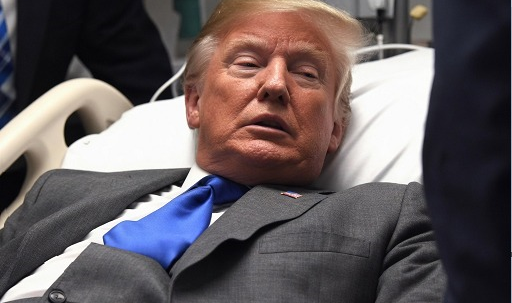
Donald Trump was recently shot again in Washington, D.C. It explains that these reports circulating on social media and video platforms are false and lack any credible verification from established news organizations. Major outlets such as the Associated Press, Reuters, BBC, and The New York Times are cited as having reported no such incident, reinforcing that the claims are unfounded.
To provide context, the text references a confirmed historical event: the July 13, 2024 shooting at a campaign rally in Butler, Pennsylvania. During that incident, a gunman fired toward Donald Trump, grazing his ear and killing one attendee while injuring others. The event was officially investigated by the U.S. Secret Service and the FBI and remains the only verified assassination attempt mentioned in the passage.
The article also distinguishes this incident from other unrelated security events that have been misrepresented online. These include a 2024 security scare near a Trump golf club in Florida and a 2025 shooting involving National Guard members near the White House. The passage emphasizes that none of these events involved Trump being harmed or directly targeted in the way online rumors suggest. It argues that misinformation often combines separate incidents into a misleading narrative of repeated attacks.
A significant portion of the text explains how misinformation spreads on digital platforms. It highlights the role of algorithms on social media sites like TikTok, X (formerly Twitter), and Facebook, which tend to amplify emotionally charged content such as fear and shock. This environment allows unverified claims to spread quickly before fact-checking can occur.
The passage contrasts viral rumors with verified reporting, noting that legitimate news coverage has instead focused on political and diplomatic developments involving Trump rather than any violent incidents. It stresses that credible journalism relies on multiple sources and verification before publishing serious claims.
In conclusion, the text argues that the responsibility for combating misinformation lies with both media organizations and the public. It encourages readers to verify breaking news through reputable outlets and official statements before accepting or sharing it, emphasizing critical thinking as a defense against false information in the digital age.