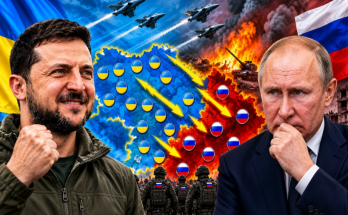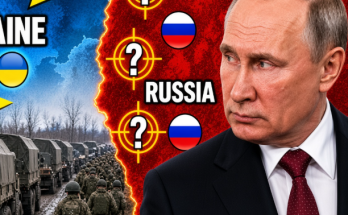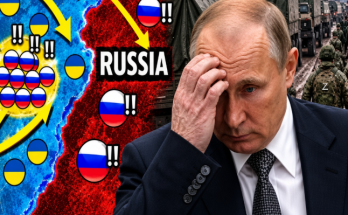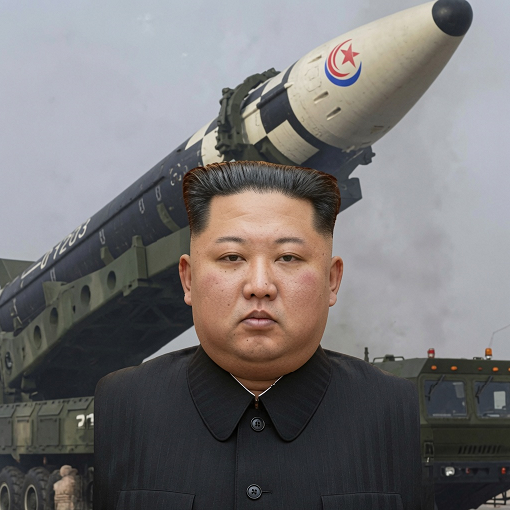
The article explains how a sensational headline can create the impression of a major international crisis even when the underlying content provides no evidence of one. The headline in question suggests that North Korea has directly threatened Donald Trump, using alarming language that implies an urgent geopolitical emergency. However, the key detail is intentionally omitted, encouraging readers to imagine the worst before they have any facts.
According to the analysis, this is a common clickbait tactic. Headlines often rely on emotionally charged words such as “BREAKING,” “IMMINENT,” or “APOCALYPSE” to provoke fear and curiosity. By mentioning two highly recognizable figures or nations—in this case North Korea and Donald Trump—the headline immediately captures attention. When the statement is cut off before explaining the actual threat, readers may automatically assume it involves military action, nuclear weapons, or the possibility of war.
The article notes that the body of the story does not support such dramatic conclusions. Instead of reporting a verified military escalation, official declaration of war, or confirmed security emergency, the text reportedly shifts into exaggerated and absurd satire involving unrelated topics. The alarming geopolitical framing serves primarily as a hook to attract clicks rather than to communicate factual information.
This example highlights how easily readers can be influenced by incomplete information. Human psychology often fills gaps with assumptions, especially when fear or uncertainty is involved. A headline that merely says someone “threatens” another person can trigger thoughts of conflict or disaster even when no such event has occurred.
The central message is that readers should approach sensational headlines with caution. Before sharing or reacting to claims involving major political leaders, international conflicts, or national security issues, it is important to verify the information through reputable news organizations and official sources. Reliable reporting provides context, evidence, and confirmation rather than relying on emotional reactions.
In summary, the article argues that the headline is designed to maximize attention rather than inform. It presents no verified military action, no confirmed declaration of war, and no evidence of an immediate crisis. Instead, it serves as a reminder that dramatic headlines often spread faster than facts, making critical thinking and source verification essential in today’s media environment.