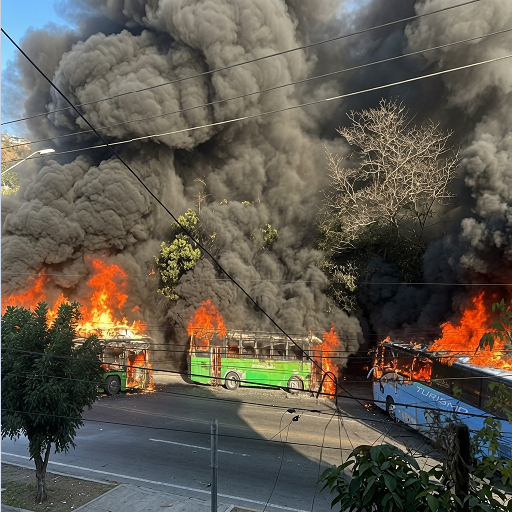
Buses caught fire have raised concerns about transportation safety and the potential causes behind such incidents. While the exact reason for the fires can only be determined through a formal investigation, experts note that bus fires may result from a variety of factors, including engine overheating, electrical faults, fuel leaks, brake system failures, mechanical defects, or collisions. Because buses contain combustible materials such as fuel, rubber, plastic components, and extensive electrical wiring, fires can spread rapidly once they begin.
When incidents involving vehicle fires occur, emergency responders are typically dispatched immediately. Firefighters focus on extinguishing the flames, securing the surrounding area, and preventing the fire from spreading to nearby vehicles, buildings, or other property. At the same time, emergency medical personnel evaluate passengers and drivers for injuries, with particular attention given to burns, smoke inhalation, or other fire-related health concerns.
Safety officials consistently stress the importance of rapid evacuation whenever smoke, flames, or unusual burning odors are detected. Passengers are advised to leave the vehicle as quickly and safely as possible, move a considerable distance away from the danger zone, and never attempt to re-enter the bus to retrieve personal belongings. These precautions can significantly reduce the risk of injury during a fire emergency.
Following the incident, transportation authorities and safety investigators typically conduct a detailed examination to determine the cause. Investigators review maintenance records, inspect mechanical and electrical systems, and assess whether equipment failures, maintenance issues, human error, or external factors contributed to the fires. If multiple vehicles are involved, authorities may broaden the investigation to identify potential systemic problems within a fleet or operating company.
Ultimately, the primary goals in any bus fire incident are to protect lives, provide prompt medical assistance to those affected, contain the hazard, and establish the cause through a careful and evidence-based investigation. The findings can help improve safety measures and reduce the likelihood of similar incidents occurring in the future.