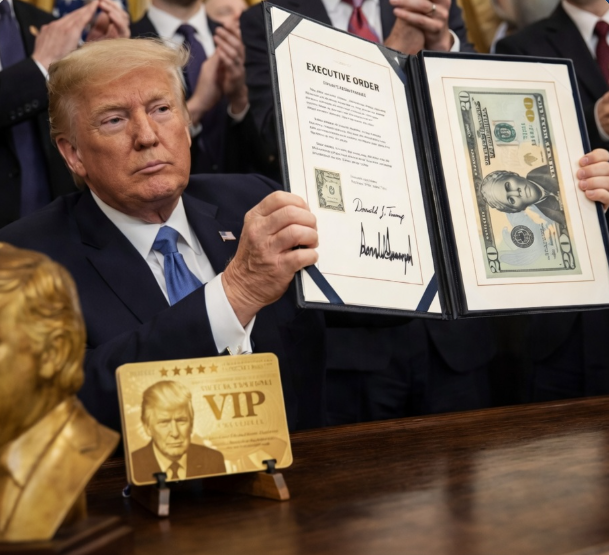
A renewed campaign has sparked debate over whether Donald Trump’s name should be removed from federal properties and public symbols. Supporters of the effort argue that government institutions should remain politically neutral and avoid associations with individual leaders, particularly when such branding may be seen as partisan or divisive. They contend that public spaces represent the entire nation and should not reflect the identity or legacy of a single political figure.
Opponents, however, caution that removing names from federal properties could have broader implications for how history is preserved and interpreted. They argue that such actions may contribute to reshaping or erasing elements of historical memory, potentially setting a precedent for reevaluating other figures tied to public institutions. Critics also emphasize that decisions about naming should consider long-term historical context rather than shifting political sentiments.
The issue has also raised legal questions, as changes to federally designated names may involve complex legislative or administrative processes. These debates reflect deeper tensions within American society regarding the intersection of politics, public space, and national identity.
Overall, the discussion highlights ongoing disagreements over how democratic societies should balance neutrality, historical recognition, and evolving public values when determining the symbols and names associated with government institutions.