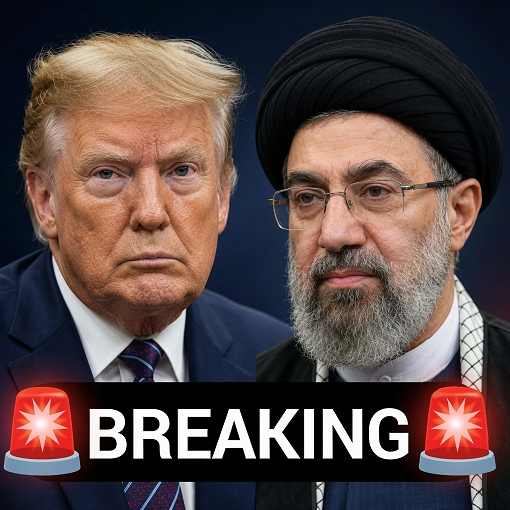
Growing tensions between the United States and Iran amid disputes over Iran’s missile capabilities, nuclear program, and regional influence.
According to the report, U.S. Defense Secretary Pete Hegseth warned that Iran’s missile technology could potentially threaten countries far beyond the Middle East, including the United Kingdom. His comments followed reports that Iran launched missiles toward the joint U.S.-UK base on Diego Garcia, though the missiles reportedly missed their target.
The report also focuses on ongoing diplomatic negotiations between Washington and Tehran.
Iranian leaders have reportedly rejected demands that their stockpile of enriched uranium be removed from the country, arguing that retaining the material is essential for national security. Meanwhile, Benjamin Netanyahu has maintained that any lasting agreement must include the removal of Iran’s enriched uranium, an end to support for regional proxy groups, and the dismantling of Iran’s ballistic missile infrastructure.
Despite a fragile ceasefire and continued diplomatic discussions, major disagreements remain unresolved.
Anonymous Iranian sources claim there is broad consensus within Iran’s leadership against transferring uranium abroad, while Western and Israeli officials continue to view the issue as central to regional security concerns.
The article portrays the current situation as a delicate standoff involving military deterrence, nuclear negotiations, and competing strategic interests. With mediation efforts reportedly underway and tensions still high, observers are closely watching whether diplomacy can produce progress or whether the dispute could trigger renewed instability across the Middle East. The outcome of these negotiations may have significant implications for regional security, global energy markets, and international relations.